Bar With Private Room Event Mistakes to Avoid
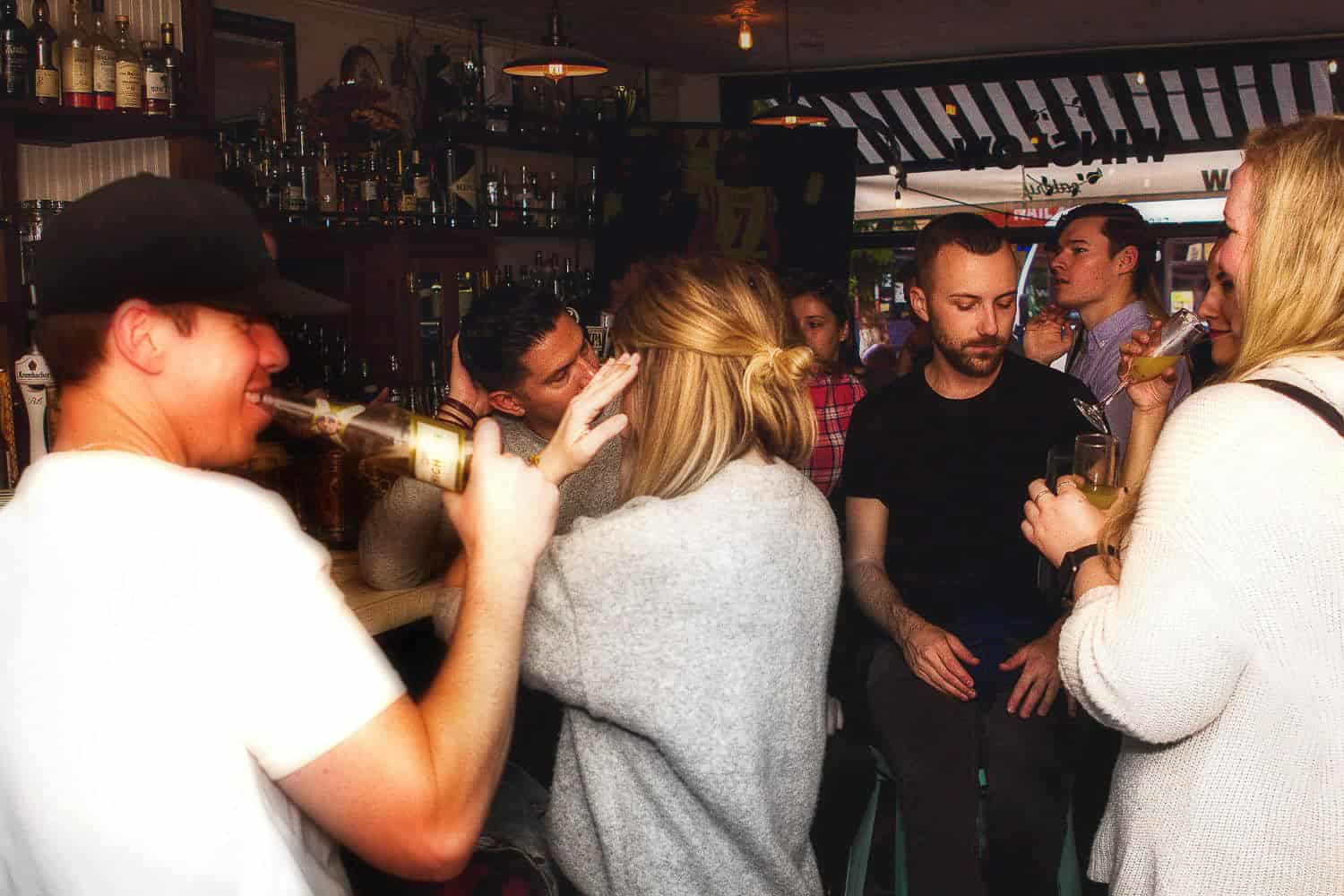
Booking a bar with private room can look deceptively simple. You pick a date, estimate a headcount, confirm a food and beverage minimum, and assume the rest will sort itself out. In practice, private event bookings at bars go sideways for very ordinary reasons. The room is too loud for conversation. The tab structure causes confusion at check-in. A well-meaning host invites 20 extra people after the contract is signed. A projector is promised, but nobody asks whether the wall actually works as a screen. Small oversights pile up, and what should feel polished starts to feel improvised.
I have seen this happen across birthday parties, team celebrations, networking mixers, engagement drinks, alumni gatherings, client receptions, and holiday events. The mistakes are rarely dramatic. They are usually planning gaps, vague assumptions, and rushed decisions made because the room looked great in photos. A private space inside a bar can be a strong event choice precisely because it feels relaxed and social, but that same informality can trick hosts into underplanning.
The best events in a private bar room feel easy to guests because someone did the unglamorous work early. They asked awkward questions, https://www.google.com/maps?cid=9305732499708573250 read the agreement line by line, thought through traffic flow, and matched the room to the actual purpose of the night. That is the difference between a gathering that hums and one that fights itself all evening.
Treating every private room as interchangeable
Not every private room inside a bar functions the same way. Some are truly private, enclosed with a door and separate sound control. Others are only semi-private, partitioned off with curtains, partial walls, or a roped section near the main floor. On paper, both may be sold as a private event space. In reality, the guest experience can be wildly different.
This matters most when the event depends on conversation, speeches, presentations, or any degree of intimacy. A birthday where people mostly drift, drink, and mingle can survive some ambient noise. A rehearsal dinner toast or a client event where people need to hear each other cannot. I once visited a room that looked ideal in the venue deck, leather banquettes, warm lighting, dedicated bar access. What the brochure did not capture was the bass from the DJ booth one wall away. You could feel it through the floor. Fine for a late-night celebration, terrible for a retirement gathering with short speeches.
When evaluating a bar with private room, ask how the space behaves during the exact hours of your event, not during a quiet afternoon walkthrough. A room can feel spacious at 2 p.m. And claustrophobic at 7 p.m. Once service starts, music rises, and neighboring guests fill the venue. If possible, visit at event time. Stand in the room. Close the door if there is one. Listen.
Underestimating how many people will actually come
Hosts often worry about overcommitting, so they book for a conservative number. Then the guest list grows. Plus-ones appear. A few people who were uncertain decide at the last minute that they are coming. Suddenly a room designed for 30 is holding 45, and what felt exclusive now feels cramped and under-served.
The reverse happens too. A host books based on best-case turnout, signs a minimum tied to 60 guests, and ends up with 28. The room looks empty, the atmosphere falls flat, and the spend requirement becomes stressful. Both versions come from the same mistake: confusing invitation count with realistic attendance.
The right way to think about attendance is behavioral, not hopeful. A local birthday party with a casual invite list may get a different turnout than a ticketed professional mixer. A weeknight corporate social can drop if people leave the office late. A Saturday engagement party can outperform estimates, especially if the venue is central and the invitation window is long enough. Weather, transit access, game nights, holiday weekends, and competing events all matter more than many first-time hosts expect.
A private room at a bar is less forgiving than a banquet hall because the margins are tighter. Seating, standing space, service speed, and sight lines can all break once the room is overloaded. If the venue says a room holds 50, ask what that means. Fifty standing shoulder to shoulder is not the same as fifty with cocktail tables, gift storage, and a food station. Capacity numbers are often technically true and practically misleading.
Ignoring the spending model until it is too late
Many problems start not with the room, but with the contract. Bars commonly structure private events around a food and beverage minimum, a room fee, or a combination of both. Hosts hear the headline number and stop there. Then they discover service charges, tax, staffing fees, AV costs, extended-hour charges, or minimums that apply before tax and gratuity.
That distinction matters. A $2,000 minimum can feel manageable until you realize tax and service do not count toward it. If the room fee is separate, or if passed hors d'oeuvres are priced differently from standard menu items, the final spend can rise faster than expected. The issue is not that venues are hiding the ball. Usually the details are in the paperwork. The problem is that people skim because they are eager to secure the date.
There is also a strategic mistake that comes up often: choosing the cheapest minimum instead of the best spending fit. A lower minimum is not automatically better if the venue’s menu prices or drink package options make that minimum awkward to hit. Sometimes a slightly higher minimum at a bar with stronger event infrastructure is easier to manage and delivers a better guest experience. If your guests naturally drink craft cocktails and order food, the spend may take care of itself. If your group is lighter-drinking or coming after dinner, the same number can become a scramble.
A good host asks the venue to map the likely bill using real assumptions. Not a formal guarantee, just a planning model. If 35 guests attend for two hours, what does a typical tab look like with open beer and wine, some shared bites, and one round of cocktails? That conversation reveals whether the package matches the event or whether you are trying to force a room into a budget that does not fit.
Failing to match the service style to the occasion
Some gatherings thrive with a fully hosted bar. Others need drink tickets, a cash bar after an opening hour, or a limited menu to keep the pace and spend under control. The mistake is assuming the friendliest option for guests is always the best operational choice.
An open bar sounds generous, but it can create lines, encourage ordering patterns that overwhelm bartenders, and lead to cost creep if the event runs long. On the other hand, a pure cash bar can feel cold at a milestone event where the host wants guests to feel welcomed. There is no universal right answer. The right answer depends on tone, budget, guest expectations, and how long people are likely to stay.
Food creates similar problems. Hosts often under-order because they picture drinks-first energy and forget that people arrive hungry, especially after work. Then guests compete for a few platters that vanish in ten minutes. The opposite can happen when hosts choose a heavy buffet in a room with little space to queue, plate, and eat comfortably. The event becomes a shuffle around furniture and handbags.
A bar with private room often works best with a focused service plan rather than a maximal one. That may mean a modest hosted bar, a curated menu of crowd-pleasing bites, and enough stations or service passes to prevent a bottleneck. The goal is not abundance for its own sake. The goal is rhythm.
Forgetting how people actually move through the room
The room can be beautiful and still fail functionally. A common booking mistake is looking only at decor and square footage, not circulation. Where do guests check in? Where do coats go? Where will people place gifts, signage, or name tags? Can servers pass through without cutting every conversation in half? If someone arrives late, can they enter without disrupting the room?
These questions sound minor until 40 people hit the space in a fifteen-minute wave. Suddenly the doorway is blocked, the host is trying to greet guests while signing a bill adjustment, and there is nowhere to put a birthday cake except the same table holding the welcome drinks. Good event flow is mostly about preventing avoidable friction.
Furniture layout matters more than people think. Too many fixed seats can trap guests who would rather mingle. Too few seats can frustrate older family members or colleagues in formal attire who do not want to stand for two hours balancing a plate. High-top tables look sleek, but they are not always ideal for mixed-age groups or events with significant food service. If speeches or remarks are planned, sight lines become another real issue. Half the room should not need to twist around a support column to see the speaker.
If the space allows flexibility, ask for a layout tailored to your event, not the default setup. Venues often revert to their standard floor plan because it is easiest for service. Sometimes that is perfectly fine. Sometimes it works directly against the kind of gathering you are hosting.
Assuming technology is available and usable
Private rooms inside bars vary widely in what they can support. Some have built-in screens, microphones, speakers, and reliable input connections. Others have a television on the wall and not much else. The mistake is hearing “yes, we have AV” and treating that as problem solved.
For a casual photo slideshow at a birthday, minimal tech may be enough. For a company announcement, alumni presentation, or award moment, details matter. Can the mic be heard over bar noise? Does the screen face the full room? Who controls the audio? Is there an adapter for the laptop actually being used? Can the venue lower the music in adjacent areas during remarks?
Even when the event is not explicitly tech-heavy, power access and lighting can matter. A DJ corner, a charging station, a check-in iPad, a small vendor table, or a photographer all need workable support. Last-minute improvisation in a bar setting tends to look exactly like improvisation. Cords stretch across walkways. A laptop perches on a bar stool. Staff scramble to find a remote that may or may not exist.
A short venue call a week before the event can prevent all of this. Confirm what is built in, what staff will manage, and what you need to bring yourself. It is unexciting work and usually the difference between a smooth moment and a visibly awkward one.
Booking based on aesthetics without thinking about acoustics
This is worth separating from general room quality because it causes so many preventable disappointments. Bars are designed to create energy. Hard surfaces, open ceilings, glass, tile, and music all contribute to that atmosphere. Those same features can destroy speech clarity. A room can photograph beautifully and still be exhausting after thirty minutes because every voice bounces.
For social events with broad mingling, some buzz is welcome. For events where guests are supposed to reconnect, meet new contacts, or listen to short remarks, excessive noise is a real service problem. People do not just find it annoying. They disengage. They leave early. They cluster with the two friends they can hear and stop circulating.
One of the simplest questions to ask a venue is how they handle sound in private spaces when the main bar is full. Not “is it loud,” because every busy bar is loud. Ask whether they can independently control music in the room, whether there is soft furnishing that absorbs some echo, and whether doors stay closed during service. Those answers are more useful than a generic assurance that the space is “great for events.”
Waiting too long to lock the key details
Many hosts secure the date and then mentally cross the event off their list until a few days beforehand. That is when things get expensive. Special menu requests cannot be accommodated. The preferred layout is unavailable because another event affects staffing. The printed sign never gets made. Dietary restrictions surface too late. The guaranteed guest count becomes a guess.
Bars run on operational deadlines. Staffing, prep, ordering, and room turns all depend on notice. A venue can sometimes save a late-moving event, but usually at the cost of flexibility. If you want the evening to feel intentional, the venue needs enough information to execute.
A simple planning timeline helps. Not a 30-page production document, just a disciplined sequence of decisions.
- Four weeks out, confirm the event purpose, budget guardrails, and expected headcount range.
- Two weeks out, finalize menu direction, bar structure, room layout, and any AV needs.
- One week out, give the venue your strongest attendance estimate, arrival timing, and point-of-contact details.
- Two days out, reconfirm final numbers, special items, and who has authority to approve day-of changes.
That amount of structure prevents the most common scramble. It also makes the venue more effective, because staff are not decoding last-minute emails while setting up.
Overlooking the human side of guest comfort
Hosts sometimes focus so much on the room and bill that they forget guests experience the event in practical, physical ways. Is the bar easy to find? Is there somewhere to sit if someone arrives early? Is the restroom situation adequate for a full room? Will older relatives struggle with stairs? Does the private entrance, if there is one, create confusion? Is the room too dark for people to read a menu or recognize each other across a small table?
Private event success is often decided at the edges. A well-run welcome matters. So does the departure. If guests must wait twenty minutes to retrieve coats or settle individual tabs because the payment setup was never clarified, the final impression sours. A lot of hosts assume guests will overlook those details if the venue feels lively. They notice more than you think.
This is especially true for mixed groups. A college friend crowd may forgive a loud, standing-room-heavy setup if the drinks are strong and the vibe is fun. A multigenerational family event will judge the same room very differently. A professional mixer might need enough light for name tags and enough calm for first conversations. The room should fit the least flexible guest as much as the most adaptable one.
Leaving no buffer in the schedule
Events in bars often run tighter than people expect. There may be another booking before yours, a strict room release time after yours, or a narrow setup window because the venue is operating normally outside the private space. Hosts who schedule every moment too tightly leave no room for normal delays.
Guests arrive late. Deliveries show up early. The cake needs refrigerator space. The speaker cannot find parking. The florist puts the name under the wrong contact. None of these issues are catastrophic, but they become stressful if your entire plan depends on perfect timing.
A private room booking works better when the host builds a little slack into arrival, setup, and any formal moments. If doors open at 6:00, do not plan the first speech for 6:10 unless the group is unusually punctual and controlled. If your booking ends at 9:00, decide in advance whether that means music off, guests out, or just final orders called. Venues vary. So do host assumptions. That mismatch causes friction at the exact point when nobody wants a negotiation.
Not assigning one clear decision-maker
One subtle but damaging mistake is having too many people “helping” the event with no single owner. A bar event can involve a birthday honoree, a spouse, an office manager, a finance approver, and three opinionated friends. Everyone sends emails. Nobody gives the venue one consistent answer. Details contradict each other. Staff arrive to find that the person on site expects a totally different setup from the one in the notes.
Venues need one primary contact who can make decisions quickly and cleanly. That person does not have to control every aspect of the event, but they must be able to approve changes and settle questions without a group text debate. On event day, clarity matters more than democracy.
The same principle applies to the bill. If the contract says one card is on file, but multiple hosts assume they can split categories later, you have created avoidable tension. Decide early who has spending authority, what is hosted, and what happens if the event exceeds the planned budget. Those are not glamorous conversations, but they preserve relationships.
Choosing the wrong kind of venue for the real goal
Sometimes the issue is not execution. It is venue fit from the start. People hear “private room in a bar” and treat it as a universal answer. It is not. It is excellent for celebratory, social, flexible-format gatherings. It can also work well for casual business entertaining and community events. It is less effective when the event depends on sustained attention, formal dining pacing, or guaranteed quiet.
If you want a keynote, a panel, or a long seated program, a restaurant private dining room or a dedicated event venue may serve you better. If your crowd mainly wants to mingle, toast, snack, and stay downtown after the official event ends, a bar with private room may be exactly right. The mistake is forcing the room to do a job it was never designed to do.
A good host starts with the desired guest experience, not the venue category. Do you want people seated or moving? Talking in pairs or listening as a group? Eating a full meal or grazing? Staying for 90 minutes or making a night of it? Once those answers are clear, venue selection becomes simpler and fewer compromises appear later.
What the best bookings have in common
The strongest private bar events are rarely the most expensive ones. They are the best matched ones. The host understands the crowd, the venue understands the purpose, and the logistics are simple enough to execute cleanly. There is enough food, enough seating, enough sound control, and enough budget discipline to avoid awkward surprises. The room feels full but not packed. The staff know who is in charge. Guests know what kind of night they walked into within the first five minutes.
When you book a bar with private room, think beyond style and availability. Ask how the room behaves at full energy. Ask how the money works in practice. Ask how guests will move, hear, eat, order, and leave. Most event mistakes are avoidable before the contract is signed. After that, every fix costs more, either in money, stress, or goodwill.
Private bar rooms can create some of the most enjoyable events because they strike a useful balance between structure and spontaneity. Get the fundamentals right, and the space does what it should. It lets people relax, connect, celebrate, and remember the night for the right reasons.
The Winslow
Address: 243 E 14th St, New York, NY 10003
Phone number: +12127777717
FAQ About Bar With Private Room
Which bars in NYC offer private rooms?
Many bars in New York City offer private and semi-private rooms for parties and events, ranging from hidden basement speakeasies to upscale lounge spaces. Top options include The Back Room on the Lower East Side, Dear Irving Gramercy, Pebble Bar in Midtown, Mister Paradise in the East Village, and The Winslow in the East Village.
What is a private room in a pub called?
A small, private seating area or partitioned booth in a traditional pub is most commonly called a snug. Larger private rooms used for events, parties, or dining are typically referred to as private dining rooms, function rooms, or back rooms.
How much does a 2 hour open bar cost?
A 2-hour open bar generally costs between $15 and $45 per person, depending heavily on the quality of alcohol you choose. For a standard group of 100 guests, this translates to an overall cost of $1,500 to $4,500 before taxes, setups, and staff gratuities.