How to Make Drunken Noodles Taste Like Thai Takeout
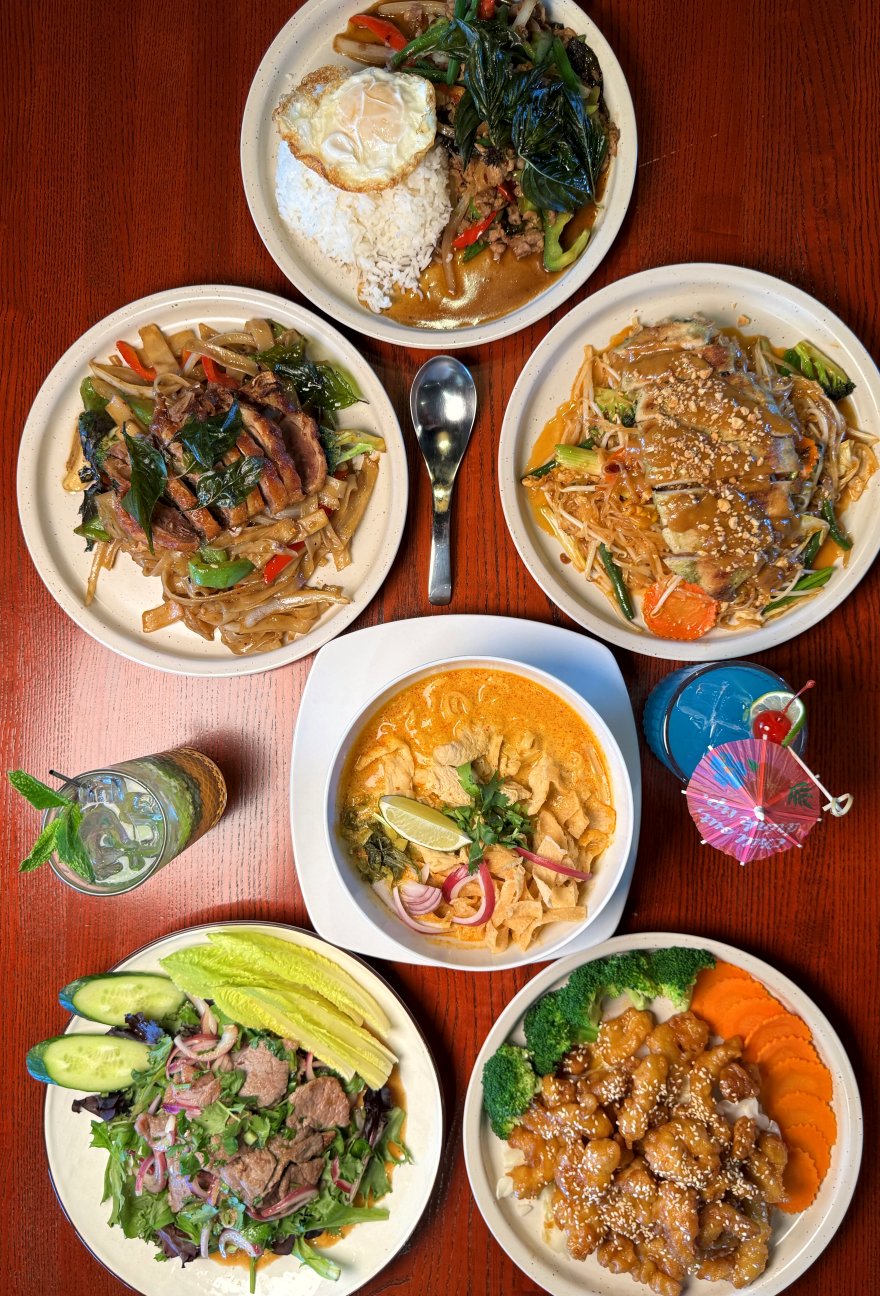
Anyone who has tried to recreate Drunken Noodles at home knows the frustration. You can buy the wide rice noodles, slice the chicken, toss in basil, and still end up with something that tastes flat, soft, or oddly sweet. The dish may look right in the pan, but it does not have that deep, savory heat and smoky edge you get from a good Thai takeout spot.
That gap usually comes down to technique more than ingredients. Takeout Drunken Noodles, or pad kee mao, are built on high heat, fast cooking, and a very specific balance of salty, spicy, sweet, and aromatic elements. Restaurants also understand how to keep the noodles chewy, the vegetables crisp, and the sauce concentrated instead of watery. Home cooks often miss one of those details and the whole dish loses its punch.
The good news is that you do not need a commercial wok burner to make excellent Drunken Noodles at home. You do need to cook with intention. A few small choices, from the type of noodles you buy to the moment you add the basil, make the difference between a respectable stir-fry and something that genuinely tastes like Thai takeout.
What restaurant Drunken Noodles actually tastes like
Good Drunken Noodles should hit in layers. The first thing you notice is usually the aroma, garlic, chile, and holy basil or Thai basil rising off the plate. Then comes the sauce, which should taste salty and savory first, with a little sweetness in the background rather than a sugary glaze. The heat should be assertive, but not one-dimensional. The noodles should be glossy and lightly charred in spots, not drowned in sauce.
Texture matters just as much. This dish is not meant to be delicate, but it should not be mushy either. The noodles need bounce. The onions should soften but still keep their shape. Bell peppers should stay bright and slightly crisp. If there is protein, whether chicken, beef, shrimp, or tofu, it should be seasoned and seared rather than simply steamed among the noodles.
When people say their homemade version tastes nothing like takeout, the problem is often one of these: too much sauce, not enough heat in the pan, overcooked noodles, weak basil flavor, or the wrong balance of seasoning. Once you fix those, the dish changes quickly.
Start with the right noodles, and handle them gently
Wide rice noodles are non-negotiable if you want the classic takeout feel. Fresh wide rice noodles are the best option by a wide margin. They have the supple, springy texture that dried noodles rarely match. If you have access to a good Asian market, buy fresh sheets or pre-cut fresh sen yai if possible.
Fresh noodles do come with a catch. They tend to clump, crack, or break if handled cold. If they are refrigerated, let them warm toward room temperature before cooking. If they are stuck together, loosen them gently with your fingers. Some cooks microwave them briefly under a damp towel, which works well if done carefully. Ten to twenty seconds is often enough. You want them pliable, not hot.
Dried wide rice noodles can still work, but you have to undercook them slightly. Follow the package only as a starting point. Most brands need less time than people think if they are going into a stir-fry afterward. The noodles should be flexible with a bit of firmness in the center. If you boil them until fully soft, they will fall apart in the wok and absorb too much sauce.
There is a practical reason takeout noodles taste better: restaurants often use fresh noodles and cook them in batches large enough to build some caramelization without overhandling them. At home, people stir too much. Rice noodles do not reward aggressive tossing. Once they go into the pan, use a broad spatula or tongs and turn them just enough to coat and heat through.
The sauce needs depth, not just soy sauce
A common home version of Drunken Noodles tastes like soy sauce poured over noodles. That is not the profile you want. The real backbone comes from a blend of salty and umami-rich seasonings, with sweetness used as a support rather than the main note.
A dependable base usually includes oyster sauce, light soy sauce, dark soy sauce, fish sauce, and a small amount of sugar. Each has a job. Oyster sauce brings body and savory sweetness. Light soy sauce adds salt. Dark soy sauce deepens color and gives a subtle molasses note. Fish sauce sharpens the whole dish and makes it taste more like restaurant food almost immediately. Sugar rounds the edges and helps the sauce cling.
If you want a useful starting point for about 8 to 10 ounces of noodles, mix the following:
- 2 tablespoons oyster sauce
- 1 tablespoon light soy sauce
- 1 to 2 teaspoons dark soy sauce
- 1 to 2 teaspoons fish sauce
- 1 to 2 teaspoons sugar
That is not a rigid formula. If your oyster sauce runs sweet, cut back the sugar. If you like a more aggressive fish sauce note, push it slightly. If you are cooking with a saltier soy brand, use a lighter hand. One of the most reliable ways to improve homemade Drunken Noodles is to mix the sauce before you start cooking. Do not stand over a hot pan measuring ingredients one by one. By then, the garlic is burning and the noodles are waiting too long.
Some cooks add a splash of water or stock to the sauce. That can help if your pan runs very hot, but do it sparingly. The dish should not be saucy in the way lo mein is saucy. In a proper plate of Drunken Noodles, the noodles look lacquered, not wet.
Heat is the missing ingredient in most home kitchens
People often focus on secret sauces or exact proportions, but the thing that really separates takeout from home cooking is heat. Thai restaurant burners are brutally powerful. They sear ingredients in seconds and create the smoky, lightly charred flavor many people associate with wok cooking. That flavor is hard to duplicate perfectly on a standard stovetop, but you can get closer than most recipes suggest.
The first step is to stop overcrowding the pan. If you load in noodles, vegetables, and protein all at once, the ingredients steam. Steamed Drunken Noodles never taste like takeout. Use a large wok or a wide skillet, and cook in smaller batches if necessary. Even in a 12-inch pan, one or two servings is usually the sweet spot.
The second step is to preheat properly. Give the pan enough time to get genuinely hot before adding oil. You should see the oil shimmer almost immediately. Then move fast. Stir-fries punish hesitation. Have the garlic chopped, the chiles ready, the sauce mixed, the basil washed, and the noodles loosened before the first drop of oil goes in.
The third step is restraint. Let ingredients sit long enough to make contact with the metal. Constant stirring sounds professional, but it often prevents browning. You want brief moments where the noodles can pick up some color. That little bit of char is one of the signatures of great Drunken Noodles.
Garlic, chiles, and basil do more work than people realize
This dish lives or dies on aromatics. If the garlic is timid, the chiles are stale, or the basil goes in too early, the final plate feels generic.
Fresh garlic should be chopped or pounded, not powdered or jarred if you can help it. Jarred garlic often tastes sharp in the wrong way once it hits high heat. Fresh garlic blooms into the oil and becomes the foundation of the dish. The same goes for chiles. Thai bird's eye chiles are classic because they deliver bright, fast heat. If you cannot find them, Fresno or serrano chiles can work, though the flavor shifts slightly.
There is also the question of how spicy Drunken Noodles should be. Restaurant versions vary. Some are surprisingly mild, especially in places adjusting to local tastes. Others arrive blisteringly hot. My experience is that the best balance comes when the chiles are integrated into the dish rather than treated like a dare. Three to five bird's https://www.google.com/maps?cid=10337779433515689724 eye chiles for two servings is a solid middle range, depending on your tolerance and the size of the peppers.
Basil deserves special attention. Holy basil is traditional and has a peppery, clove-like character that gives the dish much of its identity. Thai basil is easier to find and still very good, with an anise note that works beautifully in the sauce. Italian basil is the last resort. It can fill the role in a pinch, but it does not bring the same intensity.
The timing matters. Add basil at the very end, after the sauce has coated the noodles and the heat is about to go off. You want it to wilt from residual heat and release its fragrance without turning black and limp.
Vegetables and protein should support the noodles, not compete with them
A lot of home recipes become refrigerator clean-out stir-fries. That is not necessarily bad food, but it is usually not convincing Drunken Noodles. Too many vegetables leak water into the pan, dilute the sauce, and cool the cooking surface.
Onion and bell pepper are classic because they hold their texture and bring a little sweetness. Chinese broccoli is excellent if you want a greener, more savory version. Baby corn, carrots, broccoli florets, and mushrooms can all be used, but each changes the dish. Mushrooms, for example, add umami but release moisture fast. Carrots stay too firm unless sliced very thin. Broccoli florets are better in other stir-fries unless you blanch them first.
Protein follows the same logic. Thinly sliced chicken thigh is forgiving and flavorful. Beef works best when sliced against the grain and cooked quickly. Shrimp can be excellent, but overcook in a blink. Tofu should be fried or well-seared first or it will simply absorb sauce and break apart.
One habit from restaurant kitchens is worth stealing here: cook the protein first, remove it, then bring it back at the end. That keeps it from overcooking while you chase the right texture on the noodles.
Why your homemade version turns watery
If I had to name the single most common technical problem, it would be excess moisture. Drunken Noodles should be slick and glossy, not soupy. Water comes from several places at once. Noodles may be under-drained. Vegetables may be freshly washed and not dried. Protein may be crowded and start steaming. Sauce may contain too much liquid. The pan may not be hot enough to evaporate what is released.
This is where discipline pays off. Pat vegetables dry. Drain noodles thoroughly. Use less sauce than you think you need. If you are cooking chicken or shrimp, do not marinate them in a wet mixture for half an hour and then dump everything into the pan. Even a tablespoon or two of extra liquid can flatten the flavor of a stir-fry.
Another small trick is to avoid adding all the sauce at once if your stove is weak. Add most of it, toss, and then judge. Rice noodles keep absorbing seasoning as they sit. Many home cooks oversauce in the pan, then find the leftovers nearly inedible by the next day.
The order of cooking matters more than exact measurements
Takeout cooks rely on rhythm. They may not measure every teaspoon once they know their station, but they respect sequence. Drunken Noodles come together in just a few minutes, which means the order has to be right.
A practical flow looks like this:
- Sear the protein, then remove it.
- Fry garlic and chiles briefly in hot oil.
- Add onion and any firmer vegetables, then the noodles.
- Pour in the sauce and toss until the noodles blister slightly.
- Return the protein, add basil, and serve immediately.
That sequence prevents the most common problems. Garlic does not burn under a pile of wet ingredients. Vegetables keep some bite. Noodles hit the sauce while the pan is hottest. Basil stays fragrant. Protein stays juicy.
If you have never cooked a fast stir-fry this way, the biggest adjustment is mental. You are not slowly layering flavors over twenty minutes. You are building them in flashes. The pan is doing a lot of the work.
Small upgrades that make a big difference
Some improvements sound minor until you taste them side by side. Freshly cracked white pepper, for example, can add the faintly earthy heat that many restaurant versions have. A touch of MSG, if you use it, can make the savory notes fuller without making the dish taste artificial. Many restaurant kitchens use it discreetly and effectively. A quarter teaspoon for a two-serving batch is enough to notice.
Another useful trick is to char the onion edges slightly before adding the noodles. That gives the dish a deeper flavor than simply softening the vegetables. Likewise, if your fresh noodles are very sticky, a teaspoon of neutral oil worked through them before they hit the wok can prevent tearing.
Pay attention to your oil choice too. Neutral oils with a higher smoke point, such as peanut, avocado, or refined canola oil, perform better than olive oil here. Olive oil brings its own flavor and tends to smoke in a less pleasant way under stir-fry conditions.
There is also the question of sweetness. A lot of takeout dishes in the United States are sweeter than what you might find elsewhere. If you are chasing a specific neighborhood takeout flavor, you may need slightly more sugar than a traditional approach would suggest. That is not wrong if it gets you the result you want. The key is to keep the sweetness behind the savory and spicy notes, not in front of them.
What to do if your stove is weak
Not everyone has a powerful gas burner, and that does affect the result. Still, a weaker stove does not mean you are stuck with mediocre noodles.
Use the biggest burner you have and preheat longer than feels necessary. Cook one serving at a time if you have to. A carbon steel wok helps because it heats quickly and sheds moisture better than many nonstick pans, but a broad stainless steel skillet can do very good work too. In some home kitchens, a heavy skillet actually outperforms a round-bottom wok because more of the pan surface stays in direct contact with the burner.
It also helps to simplify the batch. Fewer ingredients mean less temperature drop. If your first attempts keep coming out soft, reduce the vegetables, use a little less noodle, and concentrate on getting a stronger sear. Once you understand how your stove behaves, you can scale up carefully.
I have also seen home cooks improve their results by cooking the noodles separately for thirty seconds in the hot pan before adding everything else, especially with fresh noodles. That quick direct contact can dry the surface slightly and encourage better browning later.
How takeout shops build flavor without making the dish heavy
The best restaurant Drunken Noodles taste intense but not greasy or leaden. That balance comes from concentration. The sauce is powerful, but it is used sparingly. The heat is high, so flavors cling instead of pooling. Herbs are added at the last second. Vegetables are chosen for contrast, not bulk.
Home cooks often compensate for weak flavor by adding more sauce, more oil, or more sugar. Those fixes usually backfire. The smarter move is to sharpen the core flavors. Add another half teaspoon of fish sauce instead of another two tablespoons of soy. Use fresh basil instead of dried. Increase the chiles instead of stirring in bottled sweet chili sauce. Let the pan get hotter instead of adding more oil.
That approach gives you a dish that tastes vivid rather than overloaded.
Serving matters more than you might think
Drunken Noodles are at their best the second they leave the pan. This is not a dish that wants to sit under foil while you set the table. The noodles keep softening, basil keeps wilting, and the sauce keeps soaking in. Restaurants send it out immediately for a reason.
Warm bowls or plates help. So does having any condiments ready before you cook. A wedge of lime is not always standard, but some people like the brightness. A little extra fish sauce with sliced chiles can sharpen a plate that tastes slightly muted. Crushed white pepper at the table can mimic some of the edge you get in restaurant versions.
Leftovers are still worth eating, but they are never quite the same. If you know you are cooking for the next day, slightly under-sauce the batch and stop cooking the noodles just before they are fully tender. Reheating in a skillet is far better than microwaving if you want to preserve texture.
The version worth repeating
When homemade Drunken Noodles finally click, the difference is obvious. The noodles have chew and a little char. The sauce tastes layered instead of salty. The basil rises off the plate. The heat lingers, but it does not bulldoze everything else. It feels less like a generic stir-fry and more like the specific dish you ordered because nothing else would satisfy.
That result does not require perfection or restaurant equipment. It requires a few informed choices, made consistently. Use the right noodles. Keep the sauce balanced and concentrated. Respect the heat of the pan. Do not flood the wok with ingredients. Add the basil late. Serve fast.
Most of all, trust that this dish rewards repetition. The first time you make it, you are learning your stove, your noodles, and your preferred sauce balance. By the third or fourth round, you start making the kind of small judgments restaurant cooks make automatically. A little less sauce here, a little more char there, basil in at the last breath.
That is when Drunken Noodles stop tasting homemade in the disappointing sense, and start tasting homemade in the best one, deliberate, vivid, and every bit as compelling as Thai takeout.
Nakhon Luang Thai Kitchen
Address: 805 Village Center Dr, Colorado Springs, CO 80919
Phone number: +17195315175
FAQ About Drunken Noodles
What makes it drunken noodles?
Drunken noodles, or Pad Kee Mao, get their name from the Thai word khi mao (meaning "drunkard"). They contain no alcohol. The name comes from the idea that the dish is a popular late-night meal to cure a hangover or a great food to eat with a cold beer.
What is the difference between pad see ew and drunken noodles?
While both Pad See Ew and Drunken Noodles use the same wide rice noodles, Pad See Ew is a mild, sweet-savory dish made with dark soy sauce and Chinese broccoli, whereas Drunken Noodles (Pad Kee Mao) are fiery, garlicky, and herbaceous with fresh chilies and Thai basil.
What are traditional drunken noodles?
Traditional drunken noodles, known as Pad Kee Mao in Thai, are a fiery, savory street food stir-fry made with wide flat rice noodles, fresh garlic, lots of hot chilies, meat or tofu, and fragrant holy basil. Despite the name, they contain no alcohol; the dish is traditionally eaten late at night or as a hangover cure because the intense spice helps clear the head.