Quick and Easy Drunken Noodles with Chicken and Vegetables
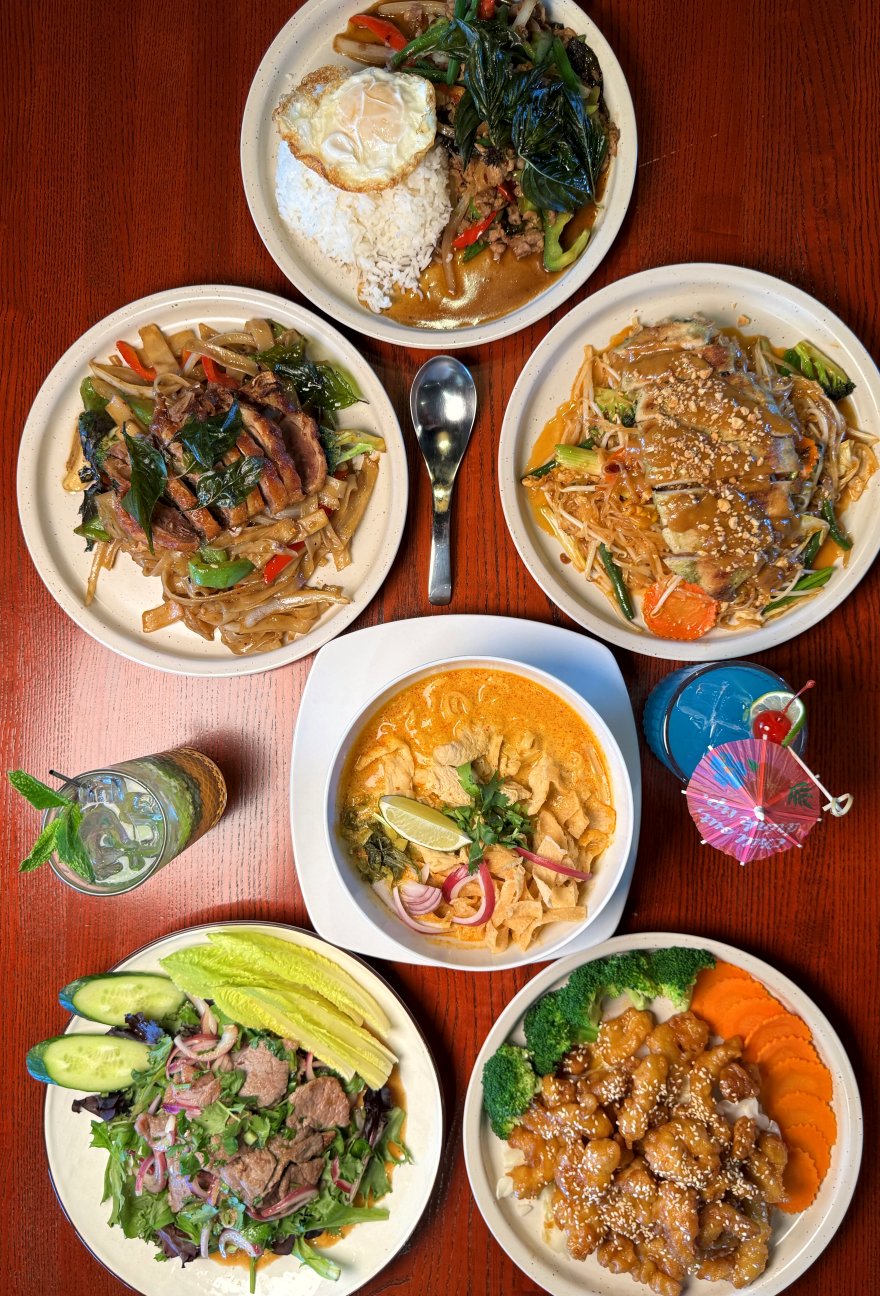
There are weeknight dinners that taste fine, and then there are weeknight dinners that make it feel as if you pulled something off. Drunken Noodles falls into the second category. It has the heat, chew, sweetness, salt, and savory depth that people usually associate with takeout, but it comes together surprisingly fast once you understand the moving parts. Chicken gives it substance, vegetables bring color and crunch, and the sauce does the heavy lifting, coating every noodle with a glossy, spicy finish.
The best part is that this is not a dish that asks for restaurant-level precision. It asks for timing, high heat, and a little common sense. If you can slice a few vegetables, stir a sauce, and keep things moving in a hot pan, you can make a plate of Drunken Noodles that tastes vivid and complete. It is one of those recipes that rewards confidence more than perfection.
For home cooks, that matters. Many noodle dishes lose their appeal when you try to recreate them at home because they depend on specialized burners or ingredients that are hard to use in small kitchens. Drunken Noodles is different. You may not get the exact smoky char of a commercial wok range, but you can get very close to the spirit of the dish, which is what most people are really after. You want noodles with a little edge, chicken that stays tender, vegetables that keep some life, and a sauce that lands somewhere between spicy basil stir-fry and caramelized soy glaze.
What makes Drunken Noodles so satisfying
Drunken Noodles, often recognized by the Thai name pad kee mao, is not a subtle dish. It is built around broad rice noodles, a punchy sauce, fresh aromatics, and basil. The flavor comes in layers. Soy sauces bring salinity and color. Oyster sauce contributes body and a slight sweetness. Garlic and chilies build the backbone. Basil arrives late and changes the whole pan, releasing an aroma that is peppery, sweet, and almost floral.
That contrast is why the dish works so well with chicken and vegetables. Chicken gives the noodles a clean, mild protein that takes on sauce beautifully. Vegetables, especially bell peppers, onions, and broccoli, introduce crispness against the softness of the noodles. Every forkful feels different enough to stay interesting.
There is also a practical side to its popularity. This is a strong refrigerator-cleanout meal. If your produce drawer has a lonely carrot, half an onion, a few stalks of broccoli, or a handful of snow peas, Drunken Noodles is ready to absorb them. The only real caution is not to overcrowd the pan with too many watery vegetables at once. The dish should stir-fry, not steam.
The ingredients that matter most
A good plate of Drunken Noodles starts with the noodles. Fresh wide rice noodles are ideal because they stay soft and supple, with the elastic chew this dish is known for. In many supermarkets, they are sold in refrigerated packs. If you cannot find them, dried wide rice noodles work well too, as long as you soak or boil them carefully. Slightly underdone is better than overdone. They will finish cooking in the pan, and if they begin too soft, they break and clump.
Chicken thighs are the most forgiving choice here. They stay juicy under high heat and do not go stringy as quickly as chicken breast can. Thin slices cook in just a few minutes and pick up flavor fast. Chicken breast is still usable if that is what you have, but I would slice it thinly and avoid overcooking it by even a minute. High heat is not kind to lean meat.
For vegetables, I come back most often to onion, red bell pepper, broccoli, and carrots. They offer a mix of sweetness, crunch, and color, and they stand up to the sauce without turning limp. Baby corn, green beans, mushrooms, and snap peas also fit naturally. The key is to cut everything so it cooks at roughly the same pace. Thick broccoli florets and paper-thin peppers in the same pan create timing problems you do not need.
The sauce is where most home versions either sing or fall flat. You need balance. Too much soy sauce and the dish tastes harsh. Too much sugar and it becomes sticky and blunt. A little oyster sauce rounds things out and gives the noodles a restaurant-style finish. Fish sauce, if you use it, adds complexity in a way that never reads as fishy once cooked. White pepper is useful if you want warmth without extra chili heat.
Thai basil is the classic herb, and if you can find it, use it. It has a more assertive, anise-like character than Italian basil. If Thai basil is not available, regular basil still gives the dish freshness and lift. It changes the flavor slightly, but not in a bad way.
A dependable ingredient lineup
Use these proportions as a starting point for about four servings:
- 8 to 10 ounces wide rice noodles, fresh or dried, 1 pound boneless chicken thighs, thinly sliced, and 2 tablespoons neutral oil
- 1 medium onion, 1 red bell pepper, 2 cups broccoli florets, 1 carrot, 4 to 5 garlic cloves, and 2 to 4 fresh chilies, adjusted to your heat preference
- 3 tablespoons oyster sauce, 2 tablespoons light soy sauce, 1 tablespoon dark soy sauce, 1 to 2 teaspoons fish sauce, and 1 to 2 teaspoons brown sugar
- 1 tablespoon water, if needed to loosen the sauce, plus a generous handful of Thai basil or regular basil
- Optional extras include a fried egg, lime wedges, or sliced scallions for serving
Those amounts are flexible, and flexibility is part of why this dish belongs in regular rotation. If you have more vegetables than chicken, lean into that. If you prefer a saucier noodle, add another spoonful of oyster sauce and a splash of water. If you want a sharper edge, increase the chilies or add a pinch of crushed red pepper.
The method is quick, so do the thinking first
This is not a recipe to start casually while the pan warms up. The actual cooking moves fast, often in under ten minutes. That means your success depends on having the noodles ready, the sauce mixed, the chicken sliced, and the vegetables prepped before the first drop of oil hits the skillet or wok.
If you are using dried noodles, cook them until just tender, then rinse briefly with cool water and toss them with a few drops of oil if they are prone to sticking. If you are using fresh refrigerated noodles and they feel stiff or stuck together, loosen them gently. A short microwave burst or a quick dip in warm water can help separate them without tearing.
Mix the sauce in a small bowl rather than adding ingredients one by one into the pan. This sounds basic, but it solves several common problems at once. It prevents scorched sugar, keeps the salt level even, and lets you taste before cooking. That last point matters. If the sauce already tastes flat in the bowl, it will not improve once it hits the noodles.
Heat your pan until it is genuinely hot. Not warm, not almost there. Properly hot. A large skillet works well, and a wok works even better if you have one. Add oil, then chicken, and resist the urge to stir constantly. Letting the meat sit for a brief moment helps it brown instead of releasing water immediately. Once the chicken is mostly cooked, pull it to one side, add the onions and firmer vegetables, and stir-fry until they start to soften while still keeping some bite.
Garlic and chilies go in after that, not at the beginning. They burn fast. Thirty seconds in hot oil is enough to wake them up and perfume the pan. Then add the noodles and sauce. Use tongs or two spatulas if necessary to lift and turn rather than mash. Rice noodles tear when they are bullied. Toss until the noodles are coated and glossy, then fold in basil at the very end. The residual heat should wilt it without erasing its character.
A simple cooking sequence that works
- Prepare the noodles, mix the sauce, slice the chicken, and cut all vegetables before you begin cooking.
- Sear the chicken in hot oil until nearly cooked through, then move it aside and stir-fry the vegetables until crisp-tender.
- Add garlic and chilies, cook briefly until fragrant, then return everything to the center of the pan.
- Toss in the noodles and sauce, turning gently until the noodles are glossy and heated through.
- Fold in basil, taste for seasoning, and serve immediately while the noodles are still lively.
That sequence may look straightforward, and it is, but it is also where most texture problems are solved. Good Drunken Noodles should feel energetic on the plate. If they sit too long in the pan after the sauce goes in, the noodles absorb too much liquid, https://felixyxsq278.fotosdefrases.com/spicy-drunken-noodles-a-flavor-packed-thai-favorite the basil fades, and the vegetables lose their edge.
Common mistakes and how to avoid them
The most frequent mistake is overcooked noodles. People often soften rice noodles as if they were pasta, then continue cooking them aggressively in the pan. The result is gummy, broken strips that clump together. Think of them as something you finish in sauce, not something you fully cook in water.
Another issue is crowding the pan. If you try to stir-fry a pound of chicken, four cups of vegetables, and all the noodles in a small skillet at once, the ingredients release moisture faster than the heat can evaporate it. Instead of searing, you trap steam. The flavors still combine, but the dish loses its edge. If your pan is modest in size, cook in two batches. It adds a few minutes, but it protects texture.
Sauce imbalance is next on the list. Drunken Noodles should be bold, but bold is not the same as salty. Dark soy sauce is useful for color and a slight molasses note, yet too much can muddy the flavor. Fish sauce should support, not dominate. Sugar should round corners, not turn the dish sweet. The first time you make it, keep the seasoning measured and adjust on the next round based on what you taste.
Then there is heat. Some cooks dump in a dramatic amount of chilies because the dish has a reputation for spice. That can work, but the heat should still leave room for basil, garlic, and savory sauce to register. I usually tell people to build to medium heat first. You can always add sliced fresh chilies at the end. You cannot pull them back once the whole pan has tipped into painful territory.
How to make it taste more like restaurant Drunken Noodles
Most home kitchens cannot replicate the blast of a commercial wok burner, but you can still coax out a little of that prized stir-fry flavor. The trick is not one secret ingredient. It is a series of small habits.
Use a wide pan so moisture escapes quickly. Preheat it longer than you think you need to. Avoid stirring nonstop. Do not add cold noodles straight from the refrigerator if you can help it. Keep your sauce concentrated so the pan does not flood. And most important, serve immediately. Stir-fried noodles have a short peak window. Five minutes later they are still good. Fifteen minutes later, they are a different dish.
A tiny splash of water can help if the noodles seem tight in the pan, but go carefully. You are looking for just enough steam to relax them, not enough to dilute the sauce. In some cases, especially with dried noodles, one tablespoon is all it takes to restore flexibility.
I also find that basil quantity is often too timid in home versions. When people are uncertain, they add a few leaves and stop. Drunken Noodles benefits from generosity. A hearty handful may look excessive before it wilts, but once it hits the heat, it settles into the dish and provides the aromatic signature you expect.
Smart substitutions for real kitchens
This recipe is forgiving, which is one reason professionals and home cooks both return to it. If you are missing one component, you can usually pivot without wrecking the dish.
Chicken can be replaced with shrimp, thinly sliced beef, ground chicken, or tofu. Shrimp cooks even faster than chicken, so it should go in later and come out as soon as it turns opaque. Ground chicken creates a slightly different texture but absorbs sauce beautifully and works well for a faster prep night. Tofu needs a bit more care. Press it, brown it properly, and season assertively, otherwise it can taste lost among the noodles.
Vegetable choices are also flexible. Broccoli is excellent, but if it is too bulky for your pan, use broccolini or thinly sliced cabbage. Bell peppers are classic for sweetness, but zucchini or mushrooms can step in. Just be aware that mushrooms release water, so they need a hot pan and enough room to brown.
If you do not keep oyster sauce at home, hoisin is not a perfect substitute, but it can work in a pinch with a lighter hand because it is sweeter. Soy sauce alone can season the dish, but it will miss some body. A little extra sugar and a touch of fish sauce can help fill that gap, though the final profile changes.
For those avoiding gluten, rice noodles already help, but you still need to check the sauces. Tamari can replace soy sauce, and gluten-free oyster-style sauces are increasingly easy to find. The flavor remains satisfying if the balance is right.
Timing this for an actual weeknight
A realistic timeline matters more than an idealized one. If your kitchen routine is rushed, this dish becomes much easier when you break prep into small pieces. Slice the chicken in the morning or the night before. Mix the sauce ahead and keep it in a jar. Wash and cut vegetables while another dinner is cooking, then store them in a container. When it is time to make Drunken Noodles, all that remains is noodle prep and fast cooking.
In most home kitchens, total active time is around 25 to 35 minutes, depending on how many vegetables you use and whether the noodles are fresh or dried. The stir-fry portion itself is brief. What stretches the clock is knife work. That is why this recipe often feels faster the second or third time you make it. Once you know how thin you like the chicken and how large you want the vegetables, your prep gets more efficient.
This is also a strong recipe for cooking with another person. One handles the noodles and sauce while the other runs the pan. Because the cooking window is short, a second set of hands can make the whole dinner feel almost effortless.
Serving ideas that do not overcomplicate things
Drunken Noodles is a complete meal on its own, which is exactly why it earns a place in busy dinner rotation. You do not need side dishes unless you want them. If I am serving it to a group, I might set out lime wedges, extra basil, or a small dish of sliced chilies so each person can fine-tune the plate.
A fried egg on top is a smart addition when you want to stretch the meal or make it feel more substantial. The runny yolk softens the heat and adds richness. It is especially welcome if you made the noodles on the spicier side.
If you are planning leftovers, know that the dish is best fresh but still serviceable the next day. Reheat it quickly in a hot skillet with a teaspoon of water rather than microwaving it to death. The noodles will never be exactly as springy as they were on day one, but a fast reheat preserves more texture than slow, uneven heat.
Why this dish earns repeat status
There are plenty of noodle recipes that are pleasant once and forgettable after that. Drunken Noodles is not one of them. It has enough character to satisfy a craving, enough flexibility to fit what is in the refrigerator, and enough speed to stay practical on a normal Tuesday. That combination is rare.
What keeps it in regular rotation for experienced cooks is not novelty. It is reliability. Once you understand how the sauce should taste and how the noodles should feel in the pan, the dish becomes instinctive. You stop following the recipe so much as cooking within its logic. A little more broccoli one night, fewer chilies the next, Thai basil when you can find it, Italian basil when you cannot. It still works.
That is the sweet spot for home cooking, a dish with personality that does not punish you for being human. Quick and easy does not have to mean bland or generic. With Drunken Noodles, it means dinner that hits hard on flavor, uses what you have, and gets to the table while everyone is still hungry enough to appreciate it.
Nakhon Luang Thai Kitchen
Address: 805 Village Center Dr, Colorado Springs, CO 80919
Phone number: +17195315175
FAQ About Drunken Noodles
What makes it drunken noodles?
Drunken noodles, or Pad Kee Mao, get their name from the Thai word khi mao (meaning "drunkard"). They contain no alcohol. The name comes from the idea that the dish is a popular late-night meal to cure a hangover or a great food to eat with a cold beer.
What is the difference between pad see ew and drunken noodles?
While both Pad See Ew and Drunken Noodles use the same wide rice noodles, Pad See Ew is a mild, sweet-savory dish made with dark soy sauce and Chinese broccoli, whereas Drunken Noodles (Pad Kee Mao) are fiery, garlicky, and herbaceous with fresh chilies and Thai basil.
What are traditional drunken noodles?
Traditional drunken noodles, known as Pad Kee Mao in Thai, are a fiery, savory street food stir-fry made with wide flat rice noodles, fresh garlic, lots of hot chilies, meat or tofu, and fragrant holy basil. Despite the name, they contain no alcohol; the dish is traditionally eaten late at night or as a hangover cure because the intense spice helps clear the head.