The Rise of Jamaican Food in Global Dining
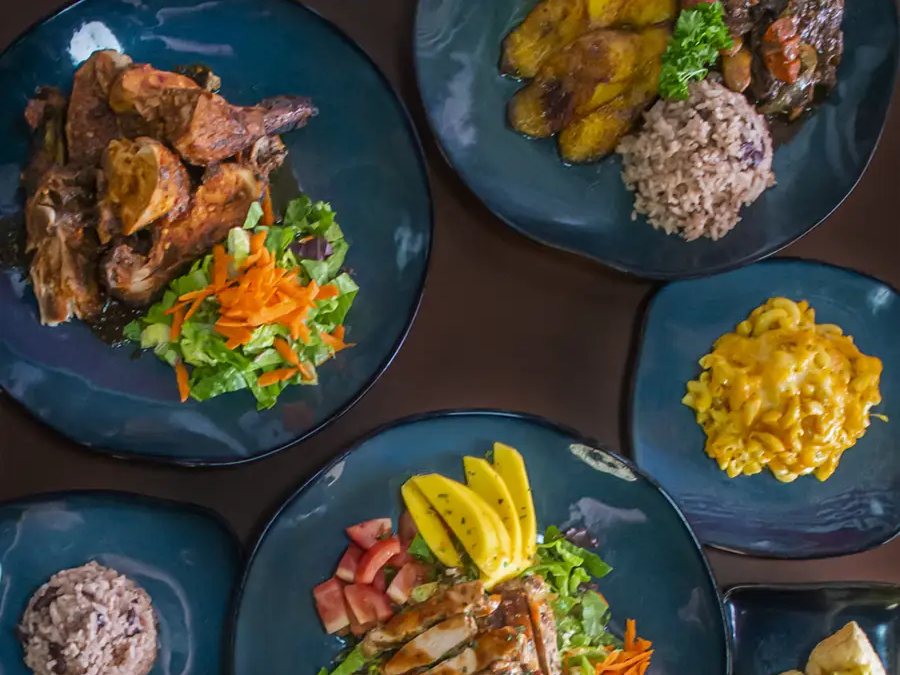
Jamaican food has moved from the margins of international restaurant culture to a visible, influential place on menus from London to Toronto, New York to Dubai. That rise did not happen overnight, and it did not happen by accident. It came through migration, memory, entrepreneurship, stubborn craft, and the sheer force of dishes that make an impression the first time you taste them. A plate of jerk chicken with rice and peas, escovitch fish bright with vinegar and pepper, or a slow-cooked curry goat has a way of staying with people. These are not shy flavors. They announce themselves.
For years, Jamaican cuisine was often flattened into a handful of clichés, usually jerk seasoning, rum, and beach imagery. Anyone who has spent time around the food knows how incomplete that picture is. The cuisine is layered and historically dense. It carries African technique, Indigenous influence, British colonial traces, Indian curries, Chinese migration, Spanish echoes, and the practical intelligence of island cooking shaped by climate, economy, and local agriculture. What global diners are finally starting to understand is that jamaican food is not simply vivid or spicy. It is structurally sophisticated. It is a cuisine of preservation, smoke, acidity, heat, sweetness, starch, and balance.
The international rise of Jamaican food says as much about changing dining culture as it does about Jamaica itself. Diners are more curious than they were twenty years ago. They care about regional identity. They are more open to heat, fermentation, and bold seasoning. They are also increasingly skeptical of bland “fusion” concepts that sand away the rough edges of real cooking traditions. That creates room for cuisines with confidence, and Jamaican food has plenty of confidence.
A cuisine with deep roots and a global vocabulary
To understand why Jamaican food resonates internationally, it helps to understand how it was built. Jamaica’s food traditions developed through difficult historical conditions, including slavery, colonial rule, labor migration, and economic constraint. Out of those conditions came cooking that wastes little, seasons aggressively, and rewards patience. That alone gives it a kind of practical authority that many diners find compelling.
Take jerk, probably the most internationally recognized Jamaican preparation. It is often described too simply as a spice rub or a hot marinade. In practice, proper jerk is a method and a sensory experience. It involves seasoning meat, traditionally pork and now often chicken, with allspice, Scotch bonnet, thyme, scallion, and other aromatics, then cooking it over pimento wood or coals in a way that builds smoke, bark, and tenderness. The result is not just hot. It is fragrant, sweet, resinous, herbal, and deeply savory. When restaurants get jerk right, people line up. When they get it wrong and serve something merely spicy, the difference is obvious.
The same applies to dishes that have not always received as much international attention. Ackee and saltfish, Jamaica’s national dish, can confuse first-time diners because the fruit resembles scrambled eggs when cooked. Yet the appeal becomes clear once it arrives on the plate with its buttery texture, salted cod, onions, tomato, thyme, and peppers. It has richness without heaviness. Ital cooking, rooted in Rastafarian practice, offers another side of Jamaican food entirely, one centered on plant-based preparation, natural ingredients, and restrained handling. Long before upscale restaurants embraced “vegetable-forward” cooking, Ital kitchens were producing stews, coconut-based preparations, and provisions with depth and purpose.
What many chefs outside the Caribbean have learned, sometimes the hard way, is that Jamaican cuisine cannot be reduced to one signature item. The flavor system is broad. Browning, Scotch bonnet, pimento, fresh thyme, ginger, coconut milk, cassava, plantain, tamarind, and salted fish each play different roles depending on the dish. The cuisine also has its own logic of contrast. Fried dumplings against saltfish. Pepper against sweetness. Pickled escovitch vegetables over fried snapper. Oxtail with broad beans, sticky and dark, beside plain white rice or rice and peas. These are not random pairings. They are calibrations.
The diaspora built the first bridge
If Jamaican food is rising globally now, the diaspora laid the foundation decades ago. In Britain, Canada, and the United States, Jamaican families opened takeaways, bakeries, lunch https://traviswtev143.zenbloomer.com/posts/savoring-the-best-of-jamaican-food-one-dish-at-a-time counters, and neighborhood restaurants that served communities long before mainstream food media paid attention. Those businesses were rarely treated as trendsetters. They were treated as local essentials, or worse, overlooked entirely. Yet they trained palates and fed generations.
In London, Jamaican patties and jerk chicken have been familiar foods for years, especially in neighborhoods shaped by Caribbean migration. In Toronto, Jamaican restaurants have long been part of the city’s everyday eating culture, from quick-service patty shops to full-service dining rooms. New York, especially Brooklyn and the Bronx, has its own deep relationship with Jamaican food. What changed in the last decade was not the existence of these foods. It was the audience around them. Food critics, younger chefs, social media creators, and cross-cultural diners began to notice what local communities had known all along.
There is a pattern here that repeats across cuisines. First, immigrant food serves the people who need it most. Then it becomes familiar to neighbors. Much later, often uncomfortably late, it becomes fashionable. That last stage can bring opportunity, but it also raises questions about who gets recognized, who profits, and who is treated as an innovator rather than merely a takeaway operator.
I have seen versions of this in city after city. The family-run spot with steam trays and handwritten menu boards is where many chefs first learn how the food should taste. Then a polished concept opens in a high-rent district, perhaps with better lighting, natural wine, and a tighter menu, and suddenly the cuisine is “discovered.” The visibility can be helpful. It can also erase the very businesses that carried the tradition for years. Jamaican food’s global rise is a success story, but it is not a simple one.
Why chefs are embracing Jamaican flavors now
Professional kitchens are drawn to Jamaican food for practical reasons as well as cultural ones. The cuisine delivers intensity without requiring luxury ingredients. It has strong vegetarian potential. It responds well to grilling, braising, pickling, and smoking, all techniques that chefs love because they add depth and can be scaled. It also invites menu creativity without collapsing into gimmickry.
A chef can build a serious menu around Jamaican principles in many ways. They can serve a classic curry goat with proper bone-in richness and long-cooked gravy. They can take inspiration from escovitch and apply that peppery, vinegared sharpness to another fish or vegetable dish. They can make patties with traditional fillings, or work carefully with seasonal ingredients while preserving the flaky crust and spicing profile that make a patty a patty. The key word is carefully. Jamaican food rewards understanding and punishes superficial borrowing.
Heat is another reason for the cuisine’s wider appeal. Diners have become more open to spice, and not just as a dare or novelty. They are looking for layered heat, the kind that carries flavor. Scotch bonnet does that beautifully when used with judgment. It is fruity, floral, and forceful. In a proper pepper sauce or jerk marinade, it does not simply burn. It lifts the whole dish.
There is also an emotional dimension. Jamaican food often reads as generous food. Big aromas, sauced meats, fried snacks, sweet drinks, and hearty starches signal pleasure and hospitality. Even in fine dining settings, those signals matter. The best upscale interpretations do not sterilize the food. They refine it while preserving that sense of abundance.
From street food to white tablecloths
One of the clearest signs of Jamaican food’s international ascent is its movement across dining formats. It no longer lives only in takeout counters or casual neighborhood restaurants, though those remain central. It now appears in hotel restaurants, tasting menus, wine bars, food halls, and chef collaborations.
This shift can be productive when it is handled with respect. Fine dining has the power to expand a cuisine’s audience, introduce overlooked ingredients, and create space for storytelling around regional dishes. It can also create a distorted version of the cuisine if chefs become too concerned with presentation and too detached from the food’s social context. A tiny quenelle of ackee on a slate plate may photograph well, but it misses the point if the flavors are timid or the dish is stripped of its cultural meaning.
The strongest modern Jamaican restaurants tend to understand that elevation is not the same as subtraction. They may improve sourcing, refine plating, or edit a menu more tightly than a traditional takeaway would. But they keep the food legible. They keep the seasoning honest. They know that a deeply browned oxtail gravy matters more than a decorative herb garnish, and that a patty crust should shatter and flake, not behave like generic shortcrust pastry.
What is especially encouraging is that younger Jamaican and Caribbean chefs are defining this upscale movement on their own terms. They are not asking permission to bring sorrel, callaloo, breadfruit, or tamarind into contemporary dining rooms. They are doing it because these ingredients belong there. That confidence changes the conversation. It moves Jamaican food from exoticized special feature to legitimate culinary language.
Social media helped, but taste did the heavy lifting
It would be easy to credit Instagram, TikTok, and food television for the growing visibility of Jamaican food. Those platforms have certainly played a role. Jerk smoke rising from a grill, a glossy spoonful of oxtail gravy, or the bright yellow of curry chicken has strong visual appeal. Patties also travel well online because they are portable, accessible, and easy to frame as either comfort food or artisanal craft.
Still, social media only accelerates what people already want to eat again. Jamaican food keeps people coming back because it satisfies in a complete way. It is aromatic and textural. It often offers excellent value. Portions are usually generous. Leftovers hold well. The sauces and seasonings do not fade after one bite. From a business point of view, that matters. Repeat customers build cuisines into markets more reliably than viral posts do.
There is another practical reason digital media helped. It gave smaller operators a direct channel to diners. A family-owned jerk spot no longer needed a newspaper review to build an audience. A few strong photos, clear hours, and evidence of a lunch crowd could do plenty. During the pandemic years, many Caribbean restaurants that adapted quickly to online ordering and social promotion managed to reach new neighborhoods, sometimes far beyond their traditional customer base.
Supply chains, authenticity, and the problem of shortcuts
As Jamaican food expands globally, one of the biggest challenges is ingredient access. Some flavors can be approximated, but approximation has limits. Fresh Scotch bonnet peppers are not interchangeable with any hot chili. Jamaican pimento is not exactly the same as a supermarket jar of allspice in another country. Good callaloo, breadfruit, and certain varieties of yam can be difficult to source consistently depending on the market.
That creates a tension every chef working with the cuisine has to navigate. If you cannot get the ideal ingredient, do you substitute, import at higher cost, preserve, or change the dish? There is no one answer. Professional judgment matters. Some substitutions are acceptable if they respect the dish’s structure. Others flatten the flavor so much that the result should be called something else.
The most common failure point is seasoning depth. Jamaican food can look simple from the outside, which tempts undertrained cooks into shortcuts. They add bottled sauce, reduce the marination time, skip the smoke, or treat spices as decorative rather than foundational. The final dish may still be edible, even enjoyable, but it lacks the internal coherence that makes the cuisine memorable.
Restaurants that succeed over time usually get a few fundamentals right:
- They season assertively and in layers, rather than relying on one finishing sauce.
- They respect texture, especially in patties, fried fish, dumplings, and braised meats.
- They understand that smoke, acidity, and sweetness need balance, not excess.
- They train staff to speak about dishes accurately, beyond tourist shorthand.
- They know which traditions to preserve exactly and where adaptation is reasonable.
That balance between authenticity and adaptation can be delicate. A Jamaican restaurant in Berlin or Melbourne is not obligated to mimic a roadside cookshop in St. Ann. Different climates, labor markets, and produce availability will shape the menu. But diners should still be able to taste the cuisine’s backbone. If everything is softened to suit imagined mainstream preferences, the point is lost.
The appeal goes beyond jerk
The global popularity of jerk has been a gift and a complication. It opened the door, but it also became a trap. Too many diners think Jamaican food begins and ends there. In reality, the cuisine has enough breadth to support whole restaurant identities beyond barbecue.
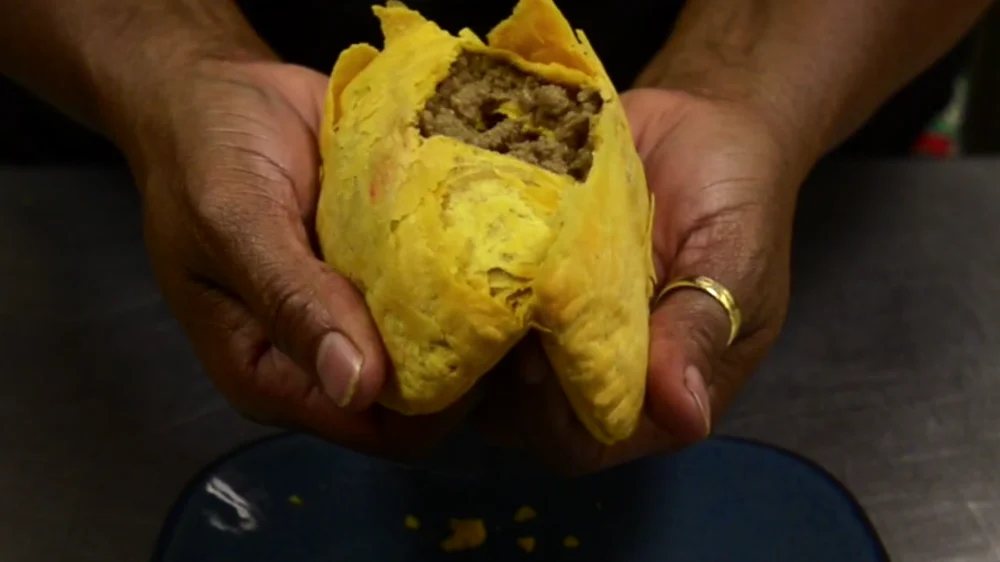
Patties alone tell an important story. They are one of the most commercially successful Jamaican foods internationally because they sit at the intersection of convenience and flavor. A good patty is affordable, hand-held, and satisfying. It can be sold from a bakery case, a train station kiosk, a café, or a sports venue. Its reach is enormous. Yet even within that familiar item there is significant variation, from classic beef and chicken fillings to saltfish, vegetable, lobster, or plant-based versions. The crust, often tinted with turmeric or curry for color and flavor, is where craftsmanship shows most clearly.
Then there are dishes that reward a slower style of dining. Oxtail is a perfect example. Its rise on global menus reflects both flavor and economics. For years, oxtail was considered a lesser cut in many places. Caribbean cooks knew better. Long braising turns it into one of the most luxurious things on the table. As demand has risen, so has the price, which creates a challenge for restaurants trying to keep traditional dishes accessible. A bowl that was once everyday comfort can become a premium item. That is progress of a sort, but it carries social consequences.
Fish cookery offers another route for Jamaican food to expand internationally. Escovitch, steamed fish, rundown preparations, and pepper shrimp each showcase different strengths of the cuisine. They also travel well into seafood-forward markets where diners are already interested in brine, acid, and heat. In a coastal city with strong seafood access, a chef can build a compelling Jamaican menu without leading with chicken at all.
Vegetarian and wellness currents are opening new doors
One of the less discussed reasons for Jamaican food’s global rise is how well certain parts of the cuisine align with current eating patterns. Ital cooking, in particular, speaks directly to diners interested in plant-based food that does not feel austere. Coconut, beans, pumpkin, okra, callaloo, yam, plantain, and breadfruit offer plenty of substance. The flavors are rounded and comforting. The food has identity.
This matters because many global consumers have grown tired of generic vegetable dishes dressed up as innovation. Jamaican and Rastafarian food traditions offer a more grounded alternative. They come with philosophy, history, and practical technique. A properly made vegetable stew with coconut milk, thyme, and Scotch bonnet can satisfy a table in the same way a braised meat dish does, not because it imitates meat, but because it is complete on its own terms.
Juices and drinks are part of this broader appeal too. Sorrel, ginger beer, Irish moss, and fresh fruit blends fit neatly into wellness-adjacent dining culture, though they should not be stripped of their cultural context and repackaged as trends. Anyone who grew up around Caribbean homes knows these drinks were not invented for boutique cafés. They have long histories of seasonal use, home preparation, and community meaning.
What global recognition changes for Jamaica itself
International demand brings opportunities back to the island, but it also puts pressure on local systems. Tourism has always shaped how Jamaican food is presented, often emphasizing dishes that visitors already know while underrepresenting regional nuance. Global recognition can help by creating more pride in local ingredients and giving producers new markets. It can also distort incentives if restaurants cater too heavily to foreign expectations.
There is a real opening here for culinary tourism of a better kind, one that sends visitors beyond resort buffets and into markets, cookshops, roadside jerk stands, and specialist bakeries. People who taste fresh roast yam, properly cooked mannish water, or a morning plate with callaloo and fried dumplings in Jamaica itself understand the cuisine more fully. They see that the food is not an accessory to the beach. It is one of the country’s major cultural achievements.
Training and ownership will determine a lot in the years ahead. If international investors build profitable Jamaican concepts while Jamaican cooks remain under-credited labor, the cuisine’s rise will be hollow. If, on the other hand, more Jamaican chefs, food writers, producers, and restaurateurs are able to scale their work globally, the benefits could be substantial. Recognition matters most when it comes with agency.
Where the cuisine is heading
The next phase of Jamaican food in global dining will likely be more regional, more chef-driven, and more specific. Diners are growing sophisticated enough to ask harder questions. Not just, “Where can I get jerk?” but, “What style of jerk is this?” Not just, “Do you have patties?” but, “Who is making the pastry, and what fat are they using?” These are healthy questions. They signal respect.
Several trends seem likely to continue. More chefs will explore old Jamaican ingredients in contemporary formats. More bakeries will treat patties with the seriousness that pizza and tacos already receive. More beverage programs will pair Jamaican dishes with rum, natural wine, and nonalcoholic drinks designed around sorrel, citrus, and spice. Fine dining will keep drawing from the cuisine, but the best versions will remain anchored in memory and technique rather than novelty.
A short list of forces driving that future stands out:
- Diaspora communities continue to expand the market and preserve standards.
- Younger chefs are claiming the cuisine with confidence in mainstream dining spaces.
- Diners increasingly seek regional foods with strong identity.
- Plant-based eating makes Ital and vegetable-rich dishes more relevant.
- Digital visibility helps smaller operators reach broader audiences quickly.
The rise of jamaican food in global dining is not a passing fascination. It is the overdue recognition of a cuisine that has always had range, rigor, and magnetism. Its success rests on flavors people crave, but also on something deeper, a sense of place strong enough to survive migration, adaptation, and commercialization. When the food is handled well, you taste not only seasoning but structure, not only heat but memory. That is why it keeps spreading, table by table, city by city.
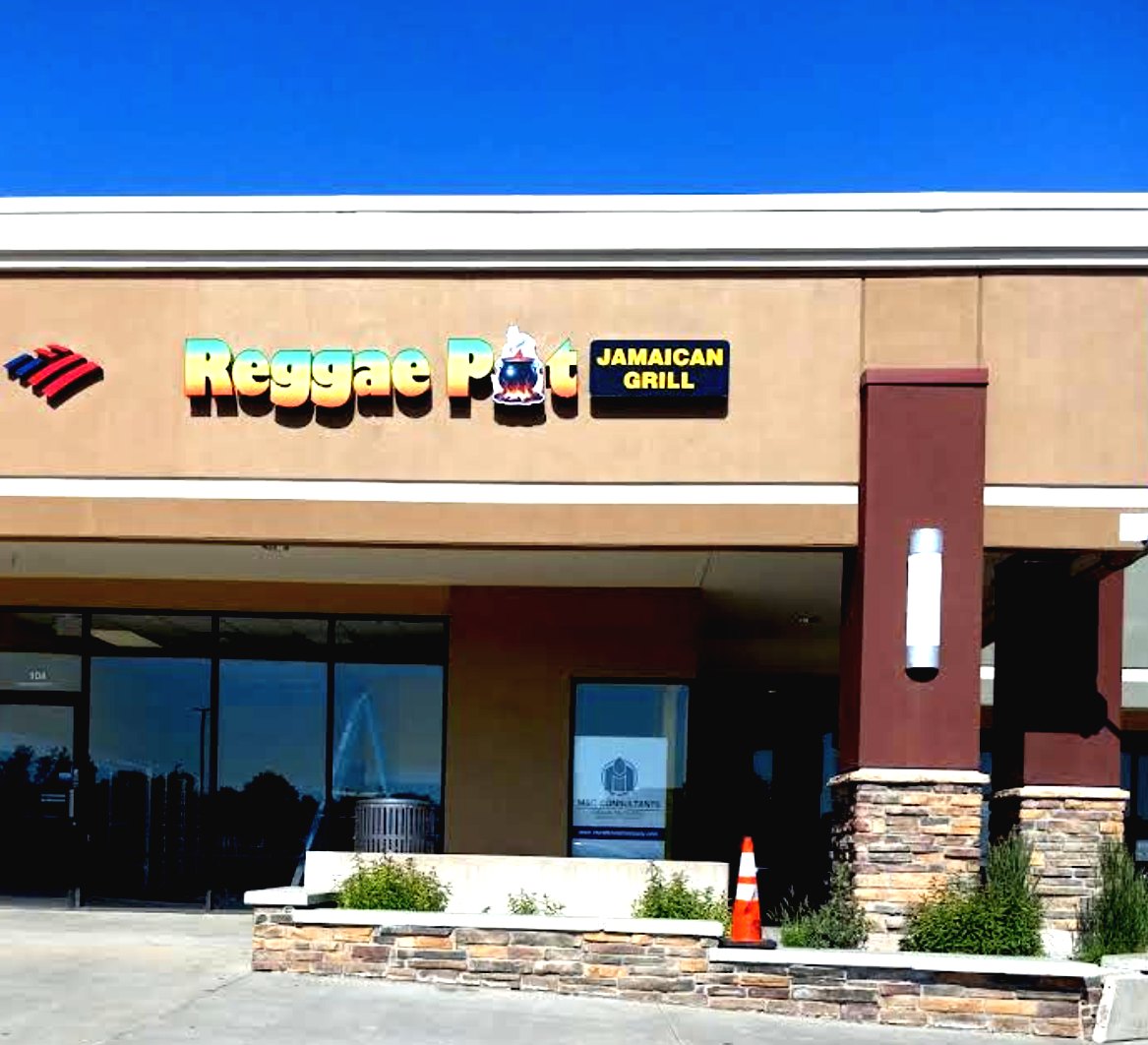
Reggae Pot Jamaican Grill
2243 S Monaco St Pkwy #104
Denver, CO 80222
+1 720-410-2956
FAQ About jamaican food
What is the best Jamaican food to try in Denver?
The best choice depends on your tastes. Popular options include jerk chicken, curry goat, slow-cooked oxtail, and savory patties. Reggae Pot lists these dishes on its menu, with sides such as rice and peas and plantains. Ask the Denver team about current availability and spice levels.
Is Jamaican food very spicy in Denver?
Heat varies by dish and preparation. Jerk seasoning often includes scotch bonnet peppers alongside herbs and allspice, while other dishes may have gentler seasoning. Ask about the heat of the specific dish and any sauce before ordering.
What are some popular Jamaican snacks?
Jamaican patties are a popular snack made with flaky pastry and savory meat or vegetable fillings. Other options include fried dumplings and festival, a sweet fried dough often served with savory dishes. Availability varies, so check the current menu when ordering.