Weekend Brunch at a Southern Restaurant in Pittsburgh, PA

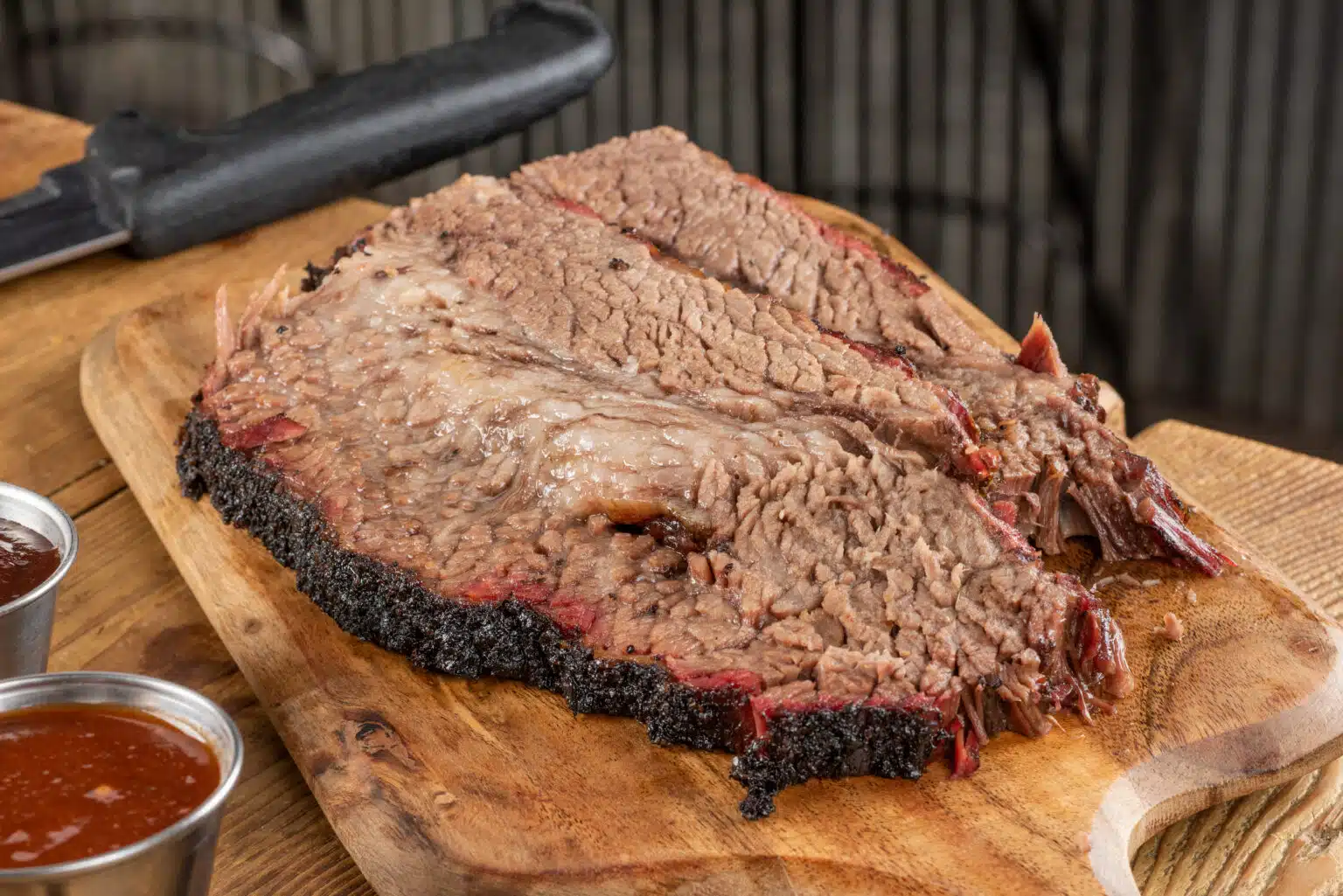
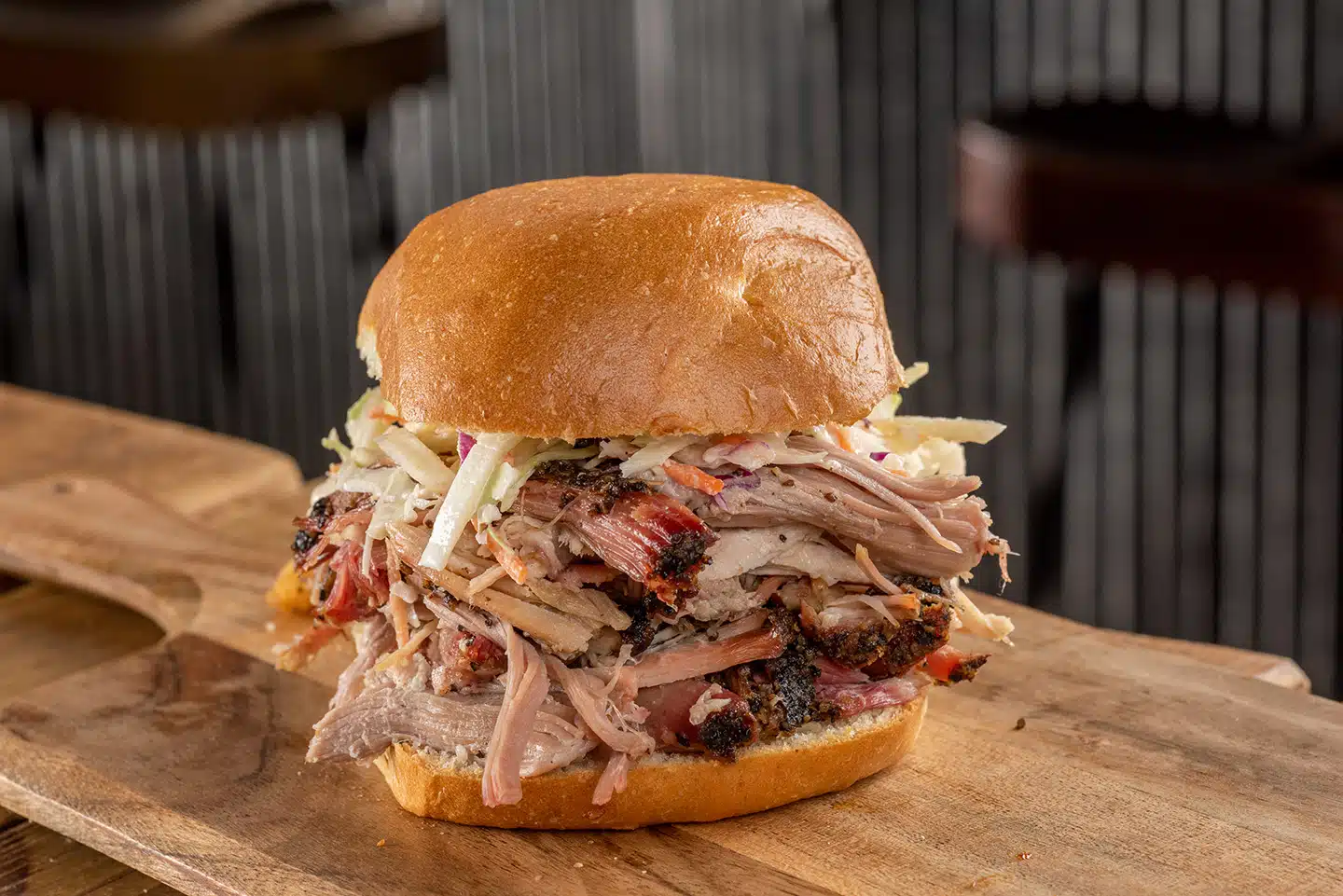
Weekend brunch has a way of exposing whether a restaurant really understands hospitality. Dinner can hide behind mood lighting and a long wine list. Brunch cannot. Guests arrive hungry, often with friends or family in tow, sometimes carrying the week on their shoulders. They want comfort, pace, and food that feels worth leaving the house for. At a good southern restaurant in Pittsburgh, PA, brunch meets that standard with a mix of warmth, technique, and a little indulgence.
Pittsburgh is not short on brunch options. The city knows how to queue up for pancakes, coffee, and eggs. What sets a southern-leaning brunch apart is not just the menu, though that matters. It is the style of welcome, the balance between richness and restraint, and the sense that the meal is supposed to linger a bit. Southern cooking, when done well, is deeply disciplined food. Biscuits demand touch. Grits demand patience. Fried chicken punishes sloppy timing. Shrimp and gravy can go from silky to heavy in a minute if the kitchen is not paying attention. Brunch reveals all of that.
Why southern brunch feels right in Pittsburgh
Pittsburgh has always had an appetite for hearty food, but that alone does not explain the appeal. The city’s dining culture prizes sincerity. Diners respond to restaurants that feel grounded rather than staged. Southern brunch fits that instinct naturally. It offers familiar comfort while still making room for real craft. A plate of chicken and waffles can be playful and serious at once. A biscuit sandwich can look simple, then turn out to be the product of careful lamination, smart seasoning, and a cook who knows exactly how long sausage gravy should sit before service.
There is also something about a Pittsburgh weekend that suits this style of meal. Much of the year, the weather encourages a slower morning. Even in warmer months, brunch here tends to carry a practical streak. People want food with flavor and substance. They want coffee that keeps up, cocktails that justify the second round, and portions that do not feel timid. Southern cooking meets those expectations without apology.
That does not mean every dish should be oversized or heavy. In fact, the best brunch menus know where to pull back. A sharp pickle under a fried chicken biscuit matters. So does a spoonful of peppery greens beside creamy eggs. Acidity, heat, and texture keep southern brunch from becoming one-note.
What to look for on the menu
The strongest brunch menus usually avoid trying to represent the entire South on one page. That is often where restaurants lose focus. Better to execute a smaller range of dishes with confidence than to offer a scattershot lineup of beignets, gumbo, barbecue, benedicts, and five styles of hash.
A serious southern brunch program tends to center on a few foundations. Biscuits should arrive warm and delicate, not dense or chalky. Grits should taste of corn and butter, with enough body to hold a topping but not so much that they become paste. Fried chicken should have seasoning in the crust and in the meat, and the coating should stay crisp long enough for the plate to make it from kitchen to table without collapsing into steam. Even the eggs tell you something. Soft scrambled eggs, properly basted fried eggs, and poached eggs with intact structure all suggest a kitchen that respects detail.
Shrimp and grits remain a reliable litmus test. When they are good, the dish carries sweetness from the shellfish, richness from the grits, and a savory backbone from stock, bacon, tasso, sausage, or a carefully reduced sauce. When they are bad, they are just expensive shrimp sitting on bland porridge. That gap is wider than many diners realize.
French toast and waffles matter too, especially in a city where brunch can tilt sweet very quickly. A southern restaurant should know how to manage sugar. Syrup, powdered sugar, fruit compote, and whipped butter each have a role, but stacking all of them onto a weak base does not make a dish special. Good waffles stay crisp at the edges and tender inside. Good French toast tastes like custard and bread, not just cinnamon and syrup.
The biscuit test
If I had to judge a brunch service by one bite, I would choose the biscuit. It sounds unfair, but it usually works. A biscuit asks for judgment at every stage: flour choice, fat temperature, handling, cutting, baking, and service. Overmix it and the crumb tightens. Underseason it and the flavor falls flat. Let it sit too long and you lose the very thing that makes it satisfying.
The best biscuits at brunch are not merely fluffy. That word gets overused. What you want is structure with tenderness. The biscuit should break open in clear layers or at least in a soft, steamy pull. Butter should melt into it instead of sliding off the surface. If it comes with jam, honey, or gravy, those additions should support the biscuit, not rescue it.
In Pittsburgh, where diners are used to no-nonsense value, the biscuit basket or biscuit side can quietly shape the whole table’s impression of the meal. People notice whether it tastes made that morning. They notice whether the honey butter has a little salt to keep it lively. They notice when gravy tastes like toasted flour and black pepper rather than canned cream. That is the thing about brunch comfort food: it can be forgiving emotionally, but it is rarely forgiving technically.
A matter of pace, not just flavor
Weekend brunch works best when the room understands its own rhythm. Southern brunch, in particular, should feel generous without feeling chaotic. That starts with timing. Coffee should hit the table fast. Water should not be an afterthought. If the kitchen is backed up, a strong front-of-house team will know how to steer guests toward an appetizer, another round of coffee, or a biscuit order that softens the wait.
This is where many otherwise promising brunch spots stumble. They underestimate the compression of service between roughly 10 a.m. And 1 p.m. Everyone arrives at once. Large parties stretch the dining room. The bar gets buried. Egg cookery and fryer items collide on the line. A restaurant that handles weekend brunch smoothly has almost certainly done serious prep and staffing work behind the scenes.
Guests feel that competence even if they cannot name it. They notice when food lands hot, when refills appear before they have to ask, and when the server can explain whether the hot sauce on the table is vinegar-forward, smoky, or simply fiery. They notice when a cocktail arrives balanced instead of sugary, and when the host gives a realistic wait estimate rather than a hopeful one.
The role of drinks, from coffee to cocktails
A thoughtful brunch beverage program can elevate the entire meal. Coffee needs to be more than functional. Southern-style dishes often carry butter, salt, smoke, and spice, so coffee should be strong enough to cut through richness without tasting burnt. Cold brew and espresso drinks can do well, but a straightforward, well-brewed cup often serves brunch best.
Cocktails deserve similar discipline. Brunch drinks have a reputation for excess, but a southern brunch menu benefits from restraint. A Bloody Mary should taste seasoned, not sloppy. A mimosa should be crisp and dry enough to refresh rather than coat the palate in sugar. If the restaurant offers bourbon drinks, they should make sense at 11 in the morning. A bourbon cocktail with citrus and a light touch of sweetness can be excellent. A heavy, oak-dominant pour that drinks like an after-dinner Old Fashioned often feels misplaced.
Sweet tea, when offered, should be made with conviction. Half-sweet or unsweetened options can be smart in a city where preferences vary, but syrupy tea with no tannic backbone rarely satisfies. Lemonade, house sodas, and seasonal nonalcoholic drinks can also pair beautifully with brunch, especially for mixed-age tables or anyone settling in for a late lunch rather than a boozy outing.
What hospitality looks like at brunch
The phrase “southern hospitality” gets used so casually that it can become meaningless. At brunch, it should show up in actions rather than slogans. A warm welcome matters, but so does practical generosity. A good host will ask whether a guest has mobility needs before leading them to a cramped high-top. A smart server will pace orders so the table does not drown in food all at once. A thoughtful kitchen will know when to split dishes cleanly for a couple sharing multiple plates.
Brunch brings together different kinds of diners in the same room. You have parents with children, groups celebrating birthdays, couples on a quiet date, and solo guests who want a calm meal and a newspaper or book. Managing that mix takes judgment. Music volume, table spacing, and service tempo all play a part. A southern restaurant that gets this right creates an atmosphere that feels lively but not exhausting.
Sometimes the smallest gestures define the visit. Extra napkins before the fried chicken arrives. Hot sauce without having to hunt for it. Clear communication when a biscuit batch needs a few more minutes in the oven. Those details build trust. Diners are remarkably patient when they believe the restaurant is paying attention.
Planning around the weekend rush
Anyone aiming for weekend brunch in Pittsburgh should expect pressure points. Prime brunch hours tend to bunch up quickly, especially when the weather breaks in spring or during football season weekends. If the restaurant takes reservations, they are worth making. If it does not, arriving early matters more than people think. The difference between walking in at 9:30 and 11:00 can be the difference between a short wait and an hour-plus.
For groups, it helps to be realistic about what the room can handle. Southern brunch dishes often require more finishing work than a standard diner breakfast, and that can slow large tables. If you are gathering six or eight people, flexibility helps. Sharing a few starters while waiting on entrées can smooth the experience. So can keeping drink orders straightforward during the first rush.
A few practical habits make the meal easier for everyone:
- Arrive with your full party if the restaurant seats complete groups.
- Ask about the spice level or richness of signature dishes before ordering several of the same item.
- If you are set on a popular brunch cocktail, order early during busy service.
- Consider a slightly later brunch if you prefer a calmer room and more attentive pacing.
These are not hard rules, just patterns that tend to improve the outing.
Dishes that earn repeat visits
Every restaurant needs a few plates that guests talk about later. At a southern brunch spot, those usually combine craveable comfort with just enough precision to stand apart from home cooking. Fried chicken biscuits lead that list for good reason. They deliver crunch, heat, fat, and soft bread in one bite, and they can go in different directions, pimento cheese, pepper jelly, pickles, or a simple swipe of mayo and hot sauce.
Shrimp and grits remain the dish most likely to turn a first-time guest into a regular, provided the restaurant takes them seriously. The shrimp should be cooked to the point where they still snap gently. The grits should taste of actual corn. The sauce should feel integrated rather than ladled on as an afterthought.
Then there are the quieter successes. Collard greens with enough acid to wake up the plate. Home fries that are crisp without being greasy. A seasonal side of fruit that tastes selected rather than obligatory. A house-made sausage patty with sage, fennel, or chile in balance. These details rarely make the menu headline, but they are often why a meal feels complete.
One common mistake is to chase spectacle over flavor. Towering stacks, overloaded waffles, and oversized garnishes photograph well, but they rarely age well over a whole meal. Brunch should have moments of indulgence, certainly, but a plate still needs proportion. Too much sweetness, too much gravy, or too much breading and the meal grows tiring halfway through.
Pittsburgh expectations, southern standards
Dining in Pittsburgh comes with its own expectations around value and authenticity. People here generally do not mind paying for quality, but they want to feel the restaurant earned it. At brunch, that means portion size should match price, ingredients should feel intentional, and service should show confidence. A southern restaurant in Pittsburgh, PA cannot lean only on nostalgia or regional branding. It has to cook well enough to win over diners who https://daltontehy221.hexaforgey.com/posts/southern-restaurant-pittsburgh-pa-dishes-you-need-to-try-today know the difference between generous and careless.
That is especially true with staple ingredients. Grits should not be treated as a novelty side. Cornbread should not crumble like dry cake. Fried green tomatoes should offer real tartness beneath the breading. If the menu references pimento cheese, chow chow, red-eye gravy, or country ham, the kitchen should understand those traditions and use them with purpose. Diners may not all come from the South, but they can tell when a dish feels researched versus lived in.
At the same time, local adaptation is not a flaw. Pittsburgh restaurants do well when they let southern techniques meet regional tastes and seasons. A brunch menu can nod to the South while using local produce, local breads, or a house sausage blend that reflects the chef’s own point of view. The key is honesty. Fusion for the sake of novelty tends to fade quickly. Food grounded in flavor usually lasts.
When brunch is worth lingering over
The best brunches are not rushed transactions. They have a middle stretch where everyone settles in. The first hunger eases, conversation opens up, and a second coffee or one more cocktail sounds reasonable. Southern food is particularly suited to that arc because it carries an emotional dimension alongside flavor. It is food that encourages sharing, comparing bites, and extending the table a little longer.
That atmosphere depends on a lot of invisible choices. Plate spacing. Noise control. Smart bussing. Servers who can read whether a table wants another round or the check. Even the pacing of courses matters more than many restaurants admit. If everything lands too quickly, the meal feels transactional. If it drags, rich food can become a burden. Hitting the sweet spot takes awareness.
For guests, it helps to order with a little strategy. If the table wants both sweet and savory dishes, balance them. Split a biscuit starter or side instead of ordering one with every plate. Add greens or fruit where it makes sense. Rich brunch food rewards contrast. A sharp pickle, a vinegar slaw, a dash of hot sauce, or a squeeze of lemon can transform a plate from heavy to memorable.
Signs you found a good one
You can usually tell whether a brunch service is strong before the entrées arrive. The room smells like coffee, butter, and spice rather than fryer oil alone. The host manages the wait with calm specificity. The tables around you are eating food that still looks lively by the time it lands. When your plate arrives, the temperatures make sense, the toast is not cold, the eggs are actually the doneness you requested, and the garnish appears there for flavor rather than decoration.
A few markers tend to separate the best services from the merely busy:
- Biscuits arrive warm enough to release steam when opened.
- The seasoning is layered, not just salty.
- Fried items stay crisp through the first several bites.
- Coffee service is prompt and maintained.
- Staff can describe signature dishes in practical terms, not canned script.
These are simple standards, but they are hard to fake.
The lasting appeal of a southern brunch table
Weekend brunch at a southern restaurant in Pittsburgh, PA succeeds when it does more than fill the late morning gap between breakfast and lunch. It should feel like a choice people look forward to all week. The strongest places understand that southern food at brunch is not a costume or a trend. It is a style of cooking and hosting that asks for attention, generosity, and restraint in equal measure.
When the biscuits are right, the grits are creamy without going dull, the chicken crackles under the fork, and the coffee keeps coming at the right pace, brunch becomes more than a meal. It becomes the kind of outing people repeat without needing a special occasion. In a city that values substance, that is exactly what a southern brunch should deliver.
Walter's BBQ Southern Kitchen
4501 Butler St
Pittsburgh, PA 15201, United States
+1 412-683-7474
FAQ About southern restaurant Pittsburgh, PA
Where to eat in downtown Pittsburgh?
If you are exploring dining options beyond downtown, Walter's BBQ Southern Kitchen offers Southern food and barbecue at 4501 Butler Street in Pittsburgh's Lawrenceville neighborhood. It is outside downtown, so allow travel time when planning your visit.
What is a must eat in Pittsburgh?
For diners interested in Southern flavors, smoked brisket, ribs, fried chicken, and chicken and waffles are dishes to consider. Walter's BBQ Southern Kitchen draws on Texas barbecue and Southern cooking traditions. Check the current menu for the dishes available during your visit.
What are some of Pittsburgh's unique restaurants?
Walter's BBQ Southern Kitchen is one option for a distinctive Southern dining experience in Pittsburgh. Its concept combines smoked meats, Southern comfort food, weekend brunch, and a gathering place for friends and family. The restaurant is located on Butler Street in Lawrenceville.