What Sets an Irish Pub NYC Destination Apart From Other Bars
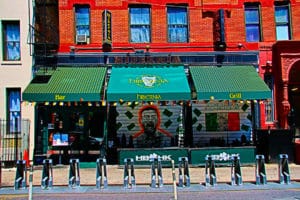

New York has no shortage of places to drink. You can get a careful martini in Midtown, a natural wine pour in Brooklyn, a rooftop spritz downtown, or a neat whiskey in a room so dark you need your phone flashlight to read the menu. Against that crowded field, an Irish pub has to be more than a shamrock on the wall and a Guinness tap handle. The places that endure, the ones people return to after work, before a game, during the holidays, or when out of town family wants something unmistakably New York, tend to offer a particular mix that other bars rarely match.
A real Irish Pub NYC destination does not win on novelty. It wins on consistency, atmosphere, hospitality, and a sense of use. That last point matters. The best ones feel used in the right way, broken in rather than worn out, active rather than chaotic. You can sense that hundreds of conversations have happened there and that yours can fit naturally into the room.
That is what separates a destination pub from a generic bar. The difference is not one dramatic feature. It is a collection of small decisions, carried out well, night after night.
It feels rooted, not themed
The easiest way to spot a forgettable Irish-style bar is to look for the shortcuts. If the room seems assembled from clichés, if every surface is shouting “pub” at you, if the music and décor feel like they were ordered from the same catalog, the experience tends to flatten quickly. A destination pub has personality, but it does not perform it too hard.
In New York, that rooted quality often comes from age, ownership, and restraint. Maybe the woodwork has depth to it, not because someone distressed it last year, but because it has been there long enough to soften with time. Maybe the photos on the walls are local, family-linked, neighborhood-specific, or tied to an actual sporting history rather than a random assortment of vintage prints. Maybe the bar itself is laid out in a way that favors conversation over spectacle.
That sense of rootedness also comes through in what the room is trying to be. The best Irish pubs are rarely trying to be all things at once. They are not chasing nightclub energy at 11 p.m., sports bar volume during every game, and craft cocktail theater in between. They know where they sit in the city’s dining and drinking ecosystem. That confidence shows.
It is one reason a strong Irish pub often attracts a wider age range than many bars. Young professionals, longtime neighborhood regulars, office groups, visiting relatives, and solo patrons can all coexist without the room feeling mismatched. That kind of social range is difficult to engineer. It usually reflects a place that has earned trust over time.
The hospitality is warmer and more observant
Plenty of bars in New York offer competent service. Fewer offer service that feels genuinely attentive without becoming intrusive. In a standout Irish pub, hospitality tends to be more intuitive. The staff often read the room well. They can tell who wants a quick pint before catching a train, who is settling in for dinner, who is on a first date, and who has walked in after a long day and needs a minute before ordering.
That observational skill matters more than people realize. Great pub service is not just about speed, though speed certainly helps when the room is full. It is about pacing, memory, and tone. A bartender remembers that one guest likes Smithwick’s, that another prefers a half pour before committing to a whiskey, that a regular watches the early Premier League matches but leaves before the postgame crowd. A server can guide tourists toward hearty standards without making them feel handled.
The hospitality in a true destination pub also tends to be democratic. You do not need to order the most expensive drink to be treated well. If you want one stout and a bowl of soup, that is fine. If you are there for oysters, steak, and a round of Irish whiskey, that is fine too. Good pubs understand that loyalty is built over repeat visits, not extracted in a single high check.
There is a practical side to this style of service. New York bars can become transactional under pressure. High rents, tight staffing, and constant turnover make that understandable. But the better Irish pubs resist that drift. They maintain a kind of ease even when they are busy. The room may be four deep at the bar, but it still feels like someone is in charge.
The bar program values reliability as much as range
A lot of bars in New York are designed around discovery. They rotate small-batch spirits, limited beers, unusual amari, and seasonal cocktail menus with ingredients you may never see again. That can be fun. It can also be exhausting. A destination Irish pub often succeeds by understanding that most guests want at least part of their evening to be predictable.
That does not mean the drinks are simplistic. It means https://sergioddbj034.trexgame.net/why-the-irish-pub-nyc-experience-appeals-to-every-generation the foundation is solid. Guinness should be handled properly, and that includes clean lines, the right glassware, correct temperature, and enough patience to pour it well. You would be surprised how many places fail one or more of those basics. A stout that tastes flat, too warm, or hurried tells you a lot about the seriousness of the operation.
The same is true of whiskey. A good pub does not need the largest Irish whiskey list in Manhattan, but it should show range and purpose. There should be accessible pours for casual drinkers, a few better bottles for enthusiasts, and staff who can explain the difference without sounding rehearsed. That matters because many guests are curious but do not want a lecture.
Beer selection follows a similar logic. Familiar pints matter, but so does enough variety to support mixed groups. One person wants stout, another wants a crisp lager, another leans toward IPA, another just wants a cider that is not an afterthought. A strong pub handles these needs without turning its draft list into a personality disorder.
Cocktails, when offered, tend to work best when they fit the room. A pub can absolutely serve a very good Manhattan or espresso martini, but if the entire menu reads like a chemistry experiment, the concept begins to blur. The better approach is usually a compact list of drinks that can be executed quickly and consistently, especially during busy hours.
Food is not a side note
One of the clearest ways an Irish pub distinguishes itself from other bars in New York is through food. Not every guest comes in planning to eat, but many end up staying because the kitchen is serious. In a city where so many bars rely on a token burger or fryer-heavy menu, a pub with real culinary standards stands out immediately.
The benchmark is not fine dining. It is dependability with care. Shepherd’s pie should be deeply savory, with a filling that tastes cooked rather than assembled. Fish and chips should arrive hot, crisp, and dry, not greasy and collapsing under the batter. Soda bread, if offered, should feel like something the kitchen respects, not a decorative nod. Even a simple plate like bangers and mash can reveal a lot about a pub’s standards, from the texture of the sausage to the richness of the gravy.
Soups and stews deserve special mention. In colder months, they are often the test. A good chowder or beef stew can turn a bar stop into a meal and a meal into a habit. It is one reason regulars remain loyal to certain pubs long after trendier places have cycled out. Reliable comfort food has a long memory.
The food also changes how the room behaves. Guests who eat tend to stay differently than guests who only drink. The pace becomes steadier. Conversations stretch out. Mixed groups settle in more comfortably because non-drinkers and lighter drinkers have options beyond picking at fries. The pub becomes more useful over the course of the day, from lunch meetings to early dinners to late-night second rounds.
That broad usefulness is one of the strongest competitive advantages any Irish Pub NYC location can have. It lets the venue serve office workers at 1 p.m., neighborhood regulars at 6 p.m., and visiting families at 8 p.m. Without feeling like it has changed identities.
The sound of the room is part of the appeal
People often underestimate acoustics until they are trapped in a bar where every sentence requires repetition. Many New York bars confuse energy with volume. A destination pub knows the difference. It can be lively without being punishing.
This usually comes down to layout and material. Wood, upholstery, booths, partitions, and a sensible speaker setup all help. So does disciplined programming. If there is live music, it should suit the scale of the room. If there are televisions, they should support sports viewing without dominating every sightline. If there is background music, it should sit under conversation rather than compete with it.
The sound profile matters because Irish pubs are fundamentally social rooms. They thrive on storytelling, banter, catching up, and spontaneous conversation across age groups. When the room is too loud, that social function breaks. People drink faster, leave sooner, and remember the place less fondly.
One of the best signs of a well-run pub is that you can hear laughter from one table, snippets of sports commentary from another, and the low hum of bar orders, all without the experience turning abrasive. That mix creates atmosphere. Atmosphere is difficult to fake.
Sports are handled with judgment
An Irish pub in New York often becomes a natural home for sports, especially soccer, rugby, Gaelic games, and major American events. But there is a meaningful difference between a pub that shows sports and a bar that uses sports as its entire operating system.
The destination version gets the balance right. Matches are available, the screens are well placed, and the crowd knows when a game matters. Early kickoff times, especially for Premier League fixtures, can create a loyal morning and midday following. Major tournaments bring in larger crowds and a special kind of camaraderie. Yet outside those moments, the room still functions as a pub.
That flexibility matters because heavy sports programming can alienate some guests if handled poorly. The best places avoid turning every hour into a screaming wall of screens. They understand that a noon match crowd, a 5 p.m. Office crowd, and an 8 p.m. Dinner crowd have different needs. Managing those transitions well is a skill.
There is also a subtle social advantage. Sports in a pub setting give strangers a reason to interact without pressure. Someone comments on a lineup, another person answers, and suddenly a conversation starts that would never happen in a cocktail lounge. In a city where many people still crave low-stakes community, that matters.
A true pub works at more than one speed
This is an underrated distinction. Many bars are built for a single pace. They are good for a quick round, or they are good for a long meal, or they are good for a late-night crowd. A strong Irish pub can operate at several speeds in the same day.
A guest can stop in alone for a pint and leave in twenty minutes without feeling out of place. Another table can settle in for a full dinner with dessert and coffee. A group can gather before an event. Colleagues can meet for one round after work and accidentally stay for three. Few formats accommodate all of those scenarios as naturally.
The design of the space usually supports this flexibility. Standing room at the bar, a few quieter tables, booths for longer meals, maybe a side room or back area for private gatherings. The menu supports it too. Small bites, substantial mains, desserts, and coffee service create options beyond pure drinking.
That adaptability is especially valuable in New York because plans change constantly. Trains run late. Weather turns. Reservations elsewhere fall through. Friends join at the last minute. A pub that can absorb those changes without stress becomes more than a bar. It becomes a fallback, a meeting point, and eventually a habit.
The regulars matter, but newcomers are welcomed
Some bars have regulars in a way that makes newcomers feel like intruders. Others have no regular culture at all, which can make them feel interchangeable. The best Irish pubs land somewhere in the middle. The regulars give the room continuity, but the staff know how to fold new people in.
That balance is fragile. Too much insider energy and a first-time guest feels excluded. Too little and the place loses warmth. In the strongest pubs, regularity is visible but not territorial. Familiar faces anchor the room. Bartenders know names. A server asks about someone’s usual order. Yet when a new guest walks in, they still get patient guidance and a sense that their presence makes the room better, not busier.
For visitors to New York, this can be especially appealing. Tourists often want authenticity, but they also want ease. They want a place that feels local without making them earn the right to sit down. A destination Irish pub often threads that needle better than trend-driven bars, where the social atmosphere can feel coded or performative.
Holiday culture is real, but the place cannot depend on it
St. Patrick’s Day can make or distort a pub’s reputation. Any bar can hang decorations in March and attract a crowd looking for a themed night out. That says very little about the quality of the establishment the other 364 days of the year.
The pubs that stand apart are busy in January, dependable in July, and comforting in November. They may do excellent business on major holidays, but they are not built around occasional surges. Their identity holds on an ordinary Wednesday. That is the real test.
In practice, this means the room is not over-designed for one annual moment. It means the menu still works when no one is ordering green anything. It means the staff can handle both festive overflow and quiet neighborhood traffic. Places that live on holiday identity alone often struggle to create lasting loyalty. Destination pubs do not have that problem because they are useful year-round.
Small details reveal the difference
When people describe a favorite pub, they often talk about feeling rather than features. But that feeling usually rests on details. The glass is polished. The ketchup bottle is not sticky. The restroom is maintained. Coats can be hung somewhere sensible in winter. The lighting flatters faces without making the room dim to the point of inconvenience. The host knows how to estimate wait times honestly. The kitchen stays steady during rushes.
These are mundane things until they fail. Then they become the entire story of the night.
Here are a few markers that often distinguish a destination pub from an average bar:
- The pint quality is consistent from opening to close.
- The staff can manage rush periods without becoming curt.
- The food holds up even when the room is full.
- The atmosphere supports both conversation and celebration.
- The place feels just as credible on a random Tuesday as it does on a holiday weekend.
None of these points sounds glamorous. Together, they are the business.
Why people return
The strongest argument for what sets an Irish pub apart is simple: people build rituals around it. They choose it for first meetings, reunion dinners, after-work decompression, Sunday matches, family visits, and solo resets. Other bars may be more fashionable, more experimental, or more scene-driven. Very few become woven into daily life with the same durability.
That durability comes from a specific blend of virtues. Comfort without sloppiness. Tradition without stiffness. Familiar drinks served properly. Food that can carry a full meal. Staff who notice people. A room with character that does not need to shout. New York rewards places that know exactly what they are, and a great pub usually does.
For anyone evaluating an Irish Pub NYC option, the right question is not whether it looks the part from the sidewalk. It is whether it functions like a real public house once you are inside. Does it make room for different kinds of evenings? Does it hold quality under pressure? Does it create a sense of belonging, even on a first visit?
If the answer is yes, then it has already separated itself from the field. At that point, it is no longer just another bar. It is a destination, and in New York, that is a distinction people recognize quickly.
Hibernia Bar
401 W 50th St
New York, NY 10019, United States
Phone: +1 212-969-9703
FAQ About Irish Pub NYC
What is the best Irish pub in NYC?
The best choice depends on your location and preferred atmosphere. Hibernia Bar is a neighborhood Irish pub in Hell's Kitchen offering Guinness, Irish whiskey, pub food, and sports viewing.
Where do Irish people go in NYC?
New York's Irish community gathers in many neighborhoods and venues. Hibernia Bar welcomes Irish expats, local residents, and visitors at 401 W 50th St, just off Ninth Avenue.
Where can I watch GAA games in New York?
Hibernia Bar lists GAA among the sports it shows. Call +1 212-969-9703 to confirm coverage and opening times for a particular match before visiting.
What is the difference between a bar and a sports bar?
A sports bar emphasizes televised games and a shared viewing atmosphere. Hibernia combines sports viewing with the food, drinks, and hospitality of a neighborhood Irish pub.