Why Foodies Are Talking About Southern Restaurant Pittsburgh, PA
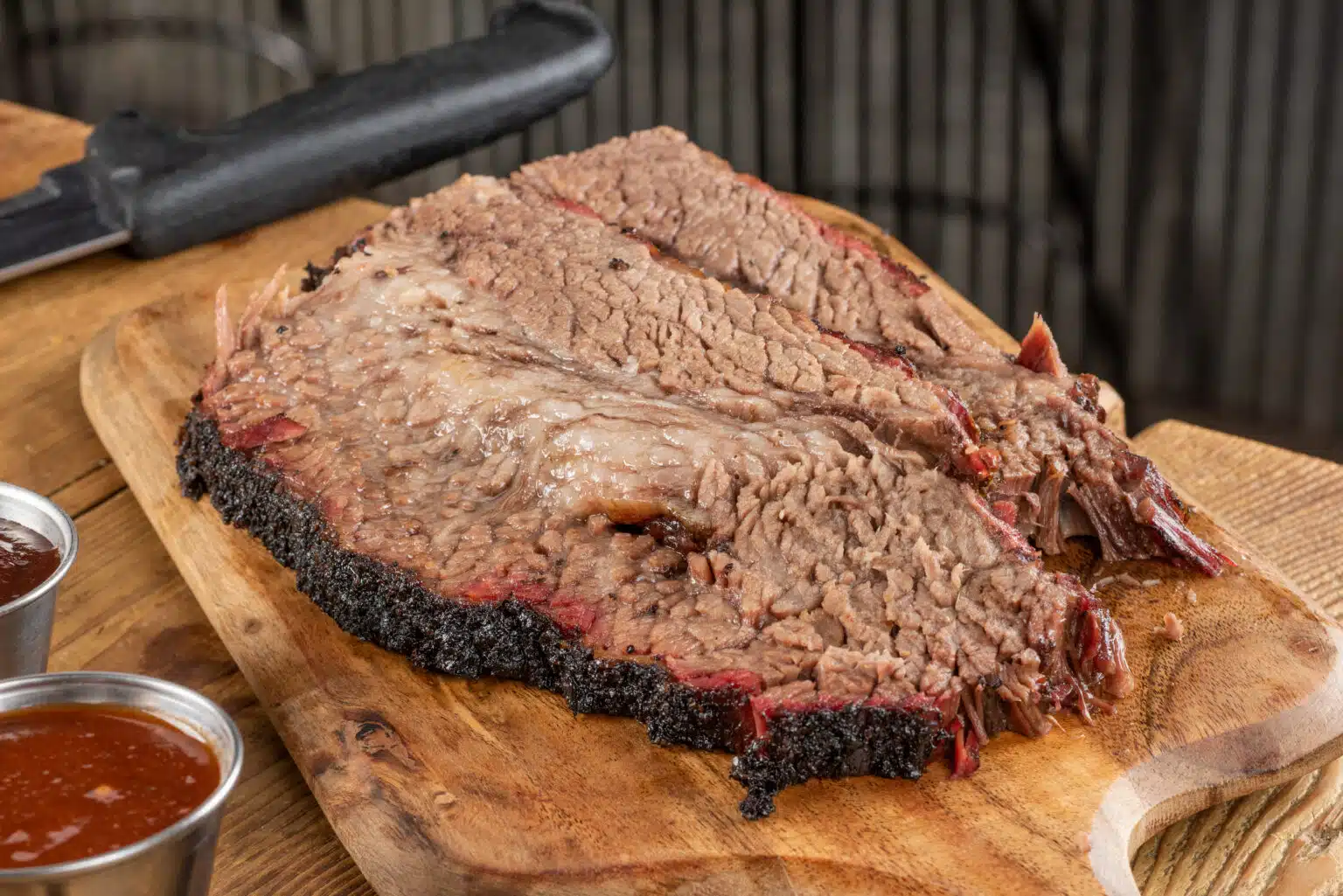

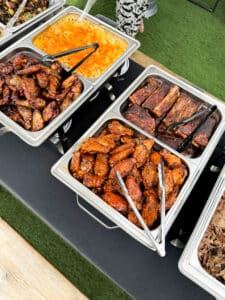
Pittsburgh has never been a one-note food city. It has always had its own appetite, built on steel-town grit, immigrant traditions, neighborhood loyalties, and a practical understanding of what makes a good meal worth leaving home for. That is part of the reason the recent buzz around the southern restaurant Pittsburgh, PA diners keep mentioning feels so interesting. It is not just about novelty. It is about a style of cooking that, when done well, speaks directly to what this city already values: generosity, depth of flavor, strong technique, and food with some memory in it.
People do not keep talking about a place simply because it serves fried chicken or shrimp and grits. Pittsburgh diners are too experienced for that. They have options. They know when a menu is borrowing southern language without understanding the backbone of the cuisine. What gets attention is a restaurant that understands the difference between comfort food and careless food. Southern cooking can look casual on the plate, but anyone who has spent time around a good kitchen knows it demands discipline. You cannot fake a proper braise, a seasoned dredge, a balanced gravy, or biscuits that https://tysonddzd689.urbanvellum.com/posts/how-a-southern-restaurant-in-pittsburgh-pa-brings-the-south-north break open with a delicate crumb instead of collapsing into density.
That is why conversation around southern food in Pittsburgh has become more serious. Foodies are not only chasing indulgence. They are looking for a point of view.
Pittsburgh is ready for southern food with substance
A decade or two ago, plenty of diners here might have approached southern menus as occasional cravings, something heavy, maybe something better suited to a trip than a regular night out. That has shifted. Pittsburgh’s dining crowd has matured, and so has the city’s understanding of regional American cuisine. The old habit of treating “southern” as a catchall for anything fried or smoky does not hold up anymore.
Now, people ask better questions. Is the seasoning layered or just salty? Does the kitchen respect ingredients like greens, okra, catfish, black-eyed peas, and grits on their own terms, or are they being used as stylistic props? Is the sweetness in a sauce controlled, or does it flatten everything? Can a restaurant balance richness with acid, heat, and texture so the meal stays compelling through the last bite?
Those questions matter because southern food is often misunderstood by restaurants outside the South. The cuisine gets reduced to excess when, in practice, it is often more nuanced than that. Good southern cooking can be deeply comforting without being one-dimensional. It can be rustic and refined at the same time. In a city like Pittsburgh, where diners appreciate substance and honesty, that balance lands well.
Comfort food is only the surface
One reason a southern restaurant in Pittsburgh can generate so much discussion is that the category draws people in with familiarity, then keeps them talking if the execution is sharp. Fried chicken is the obvious example. Nearly everyone has an opinion about it. But the gap between acceptable fried chicken and memorable fried chicken is wide.
A truly good version starts well before the fryer. The brine matters. The seasoning blend matters. The flour or batter matters. Fry temperature matters even more than people realize, especially during a busy service when consistency can slip. A kitchen that gets it right delivers crackling skin, meat that stays juicy to the bone, and seasoning that lives in every layer rather than clinging only to the crust.
The same principle applies across the menu. Macaroni and cheese sounds simple until you taste a version where the sauce is grainy, the pasta overcooked, and the top browned for appearance rather than flavor. Shrimp and grits can either be elegant and balanced or feel like two separate dishes forced onto one plate. Cornbread can sing with butter and corn flavor, or it can sit there dry and forgettable. Southern cuisine rewards restraint as much as generosity.
That is the real source of foodie conversation. People notice when a kitchen respects food that many assume is easy.
Hospitality is part of the draw
If you spend enough time around restaurants, you learn that diners rarely separate the room from the plate as cleanly as critics do. They remember how they were greeted. They remember whether the service made the meal feel relaxed or rushed. They remember whether a server could explain a dish with confidence rather than reading adjectives off a menu. Southern dining, at its best, carries a built-in expectation of warmth. Not forced friendliness, not theatrical charm, just care.
That matters in Pittsburgh, where regulars still shape a restaurant’s reputation as much as social media does. A southern restaurant that earns repeat business usually does so because guests feel looked after. The portions may be generous, but the experience cannot feel impersonal. People want a place that understands occasion. One table may be there for a quick Wednesday dinner. Another may be celebrating a birthday with cocktails, sides for the table, and dessert. A smart front-of-house team knows how to meet both moods without turning the room into a machine.
When foodies talk, they talk about that too. They mention whether the pacing was right. Whether the biscuit basket arrived hot. Whether the cocktail recommendation made sense. Whether the dining room felt loud in an energetic way or loud in a fatiguued, chaotic way. Restaurants sometimes underestimate how much these details shape the story people carry home.
The menu tells you whether the kitchen is serious
There is a certain kind of southern menu designed to reassure people. It hits all the expected notes, fried chicken, waffles, ribs, mac and cheese, collard greens, peach dessert, and never risks much. There is nothing wrong with familiarity, but a restaurant that wants to stand out in Pittsburgh usually needs more than a checklist of greatest hits.
The strongest menus tend to show both confidence and editing. They know which classics deserve center stage and which supporting dishes quietly reveal the kitchen’s standards. In many cases, I learn more about a southern restaurant from the sides than the entrées. Greens tell you whether someone understands bitterness and smoke. Beans tell you whether the kitchen has patience. Potato salad tells you whether balance matters in-house. Slaw tells you whether the chef knows a rich meal needs lift.
A smart southern restaurant Pittsburgh, PA diners rave about also pays attention to regional overlap. Southern food is not one monolith. There are coastal influences, Lowcountry traditions, Appalachian connections, Delta flavors, Creole and Cajun distinctions, and church-supper style comforts that all sit under the broad label. Serious diners notice when a menu collapses all of that into one blurry idea. They also notice when a chef handles those references carefully, without turning dinner into a history lecture.
The best version is subtle. A plate can teach you something without announcing its credentials.
Why the city’s food crowd is responding now
Timing has a lot to do with this conversation. Pittsburgh diners have spent years getting more adventurous, but they have also become more selective. After waves of trend-driven restaurant openings across many cities, people are easier to impress with integrity than novelty. A room can look stylish, a menu can sound clever, and a cocktail can arrive with smoke or crushed ice or a garnish the size of a bouquet, but diners eventually return to one question: did the food have conviction?
Southern cooking answers that question quickly. It leaves nowhere to hide. A biscuit is either right or it is not. Gravy either has body and flavor or it tastes like thickened milk. Brisket, pork shoulder, or smothered meat either show time and care or they betray shortcuts. Sides are either cooked with intention or treated like filler.
That directness appeals to food-focused diners. It also suits Pittsburgh. This is a city that can appreciate polish, but it tends to respect effort it can taste. When people start talking about a southern restaurant here, they are often responding to craft they can identify immediately, even if they are not naming it in technical terms.
Signature dishes are conversation starters, but small details close the deal
Every restaurant needs a few plates that create momentum. Maybe it is hot honey on fried chicken done with restraint instead of sugar overload. Maybe it is a gumbo with real depth, dark enough to show a patient roux and layered enough to keep unfolding as you eat. Maybe it is a chicken-fried steak with a crust that stays crisp beneath gravy. Maybe dessert is what pushes people into evangelist mode, a banana pudding with clean vanilla flavor, not just sweetness and nostalgia.
Still, those signature dishes only carry a restaurant so far. What turns one good visit into a reputation is consistency in the details that food lovers tend to compare afterward.
- Proper seasoning, especially in vegetables and starches
- Texture contrast across rich dishes
- Thoughtful drink pairings, from bourbon pours to crisp beer and low-proof cocktails
- Portioning that feels generous without becoming wasteful
- Service that reads the table instead of forcing a script
None of this sounds glamorous, yet this is exactly where many restaurants separate themselves from the pack. Foodies may post the dramatic plate, but they come back because the whole experience held together.
Southern food works especially well in Pittsburgh’s climate and culture
There is also a practical, almost seasonal logic behind the buzz. Pittsburgh is a city that knows cold weather, gray skies, long weeks, and the kind of appetite that leans toward food with depth. Southern cooking fits that emotional and physical context beautifully. Braises, fried foods, smoked meats, stewed vegetables, buttery breads, and slow-cooked beans make sense here. They satisfy in a way that does not feel performative.
At the same time, a good southern kitchen can pivot with the seasons more gracefully than many people expect. Summer brings tomatoes, corn, peaches, berries, cucumbers, herbs, and lighter seafood preparations. Fall invites sweet potatoes, braised greens, and richer sauces. Winter can handle short ribs, gravy, and cast-iron desserts. Spring opens the door to peas, asparagus, and fresher acids that keep the menu lively.
This flexibility helps a southern restaurant avoid becoming a once-in-a-while indulgence. If the chef is attentive, the cuisine can feel rooted and dynamic at the same time. That is catnip for diners who want comfort without repetition.
The beverage side matters more than people think
One common weakness in regional concept restaurants is the mismatch between kitchen and bar. The food may know exactly what it is doing while the beverage program feels generic, as if someone dropped in the same cocktails every new restaurant gets. With southern food, that disconnect shows quickly.
A thoughtful beverage program should understand what the menu needs. Rich, salty, peppery dishes benefit from acid and effervescence. Bourbon can be wonderful, but not every pairing needs to lean dark and boozy. Crisp lagers, dry ciders, sparkling wine, restrained julep variations, and cocktails with citrus or herbal lift can all make southern food more vivid. Sweet tea, if offered, needs discipline too. Too sweet, and it turns dinner into a sugar parade.
Wine can be a surprise asset here. High-acid whites, rosé with backbone, and lighter reds served at the proper temperature often pair better with fried or smoky dishes than people expect. When the staff understands that, guests feel guided rather than sold to.
That kind of restaurant intelligence earns trust, and trust drives word of mouth.
Social media may amplify the buzz, but it does not create it
Plates stacked high with waffles, glossy wings, cast-iron desserts, or dramatic brunch spreads certainly perform well online. Southern food is visually generous. It photographs with ease. But in restaurant cities, online excitement has a short half-life if the real thing disappoints. People might show up once for a photogenic brunch. They will not keep talking about it unless the biscuit flakes, the eggs are right, the coffee is competent, and the wait feels worthwhile.
This is where many restaurants get exposed. Brunch in particular can be unforgiving. A southern concept may attract crowds with chicken and waffles or shrimp and grits, but volume service punishes weak systems. Fried items linger too long. Hollandaise breaks. Grits tighten up. Servers drown. Guests notice all of it.
When a restaurant handles those pressures well, the praise becomes durable. Instead of saying, “It looked good online,” people say, “You should actually go.” That distinction is everything.
What experienced diners look for before they recommend a place
People who care deeply about restaurants rarely recommend one based on a single exciting dish. They are watching for signs that the place can hold its standards over time. If you have spent years dining out, you start to read small cues the way a contractor reads a house. The trim tells you as much as the front door.
Here are a few signals seasoned diners tend to notice:
- The sides are treated with as much care as the center-of-plate proteins
- Salt, acid, fat, and heat feel balanced rather than piled on
- The menu does not overreach beyond what the kitchen can execute well
- The dining room has energy without making conversation a chore
- Return visits feel as strong as the first one
That final point matters most. Plenty of restaurants can engineer a strong first impression. Much fewer can make a second and third visit feel equally satisfying. Foodies know the difference, and their praise gets much more credible once they have tested a place under different conditions, a busy weekend, a slower weekday, brunch instead of dinner, takeout instead of dine-in.
There is a wider story here about American regional cooking
The enthusiasm around a southern restaurant in Pittsburgh is not only about one cuisine or one neighborhood trend. It points to a bigger shift in how diners think about American food. For a long time, regional American cooking was either overfamiliar and undervalued or heavily stylized to make it feel restaurant-worthy. What is happening now, in the best cases, is more mature. Chefs and diners alike are treating these traditions with both seriousness and appetite.
That is healthy for the dining scene. It encourages depth over gimmick. It rewards restaurants that invest in technique, sourcing, and service. It also invites more honest conversations about influence, migration, adaptation, and hospitality. Southern food in Pittsburgh does not need to imitate another city to matter. It needs to understand itself clearly enough to cook with confidence here, for this audience, in this climate, at this moment.
When that happens, people talk. Not because they are chasing the next trend, but because they recognize a restaurant doing something difficult very well.
Why the conversation is likely to continue
Buzz fades when it is built on novelty alone. It grows when a restaurant satisfies multiple kinds of diners at once. Southern cuisine has that potential in Pittsburgh because it reaches beyond one demographic. It can appeal to serious eaters who want technical execution, families who want warmth and value, cocktail lovers who appreciate a good bourbon program, and casual diners who simply want food that tastes fully alive.
That range is rare. Most restaurants lean too heavily toward one audience and lose the others. A strong southern restaurant can bridge those divides, provided it keeps standards high and avoids caricature. That means resisting the temptation to oversell comfort while underdelivering craft. It means understanding that hospitality is not decor. It means remembering that every plate, even the humble side dish, contributes to the larger reputation.
Foodies in this city are talking because they sense when a restaurant has that mix of generosity and rigor. They know when the cooking carries intention. They know when a meal leaves them not just full, but impressed. In a dining scene that has grown more discerning every year, that kind of response is earned.
And that is why the phrase southern restaurant Pittsburgh, PA keeps surfacing in conversation. It is no longer shorthand for a craving. It is becoming shorthand for a dining experience people feel compelled to recommend.
Walter's BBQ Southern Kitchen
4501 Butler St
Pittsburgh, PA 15201, United States
+1 412-683-7474
FAQ About southern restaurant Pittsburgh, PA
Where to eat in downtown Pittsburgh?
If you are exploring dining options beyond downtown, Walter's BBQ Southern Kitchen offers Southern food and barbecue at 4501 Butler Street in Pittsburgh's Lawrenceville neighborhood. It is outside downtown, so allow travel time when planning your visit.
What is a must eat in Pittsburgh?
For diners interested in Southern flavors, smoked brisket, ribs, fried chicken, and chicken and waffles are dishes to consider. Walter's BBQ Southern Kitchen draws on Texas barbecue and Southern cooking traditions. Check the current menu for the dishes available during your visit.
What are some of Pittsburgh's unique restaurants?
Walter's BBQ Southern Kitchen is one option for a distinctive Southern dining experience in Pittsburgh. Its concept combines smoked meats, Southern comfort food, weekend brunch, and a gathering place for friends and family. The restaurant is located on Butler Street in Lawrenceville.